High-performance non-invasive systems engineered for professional clinics, spas, and global wellness networks.
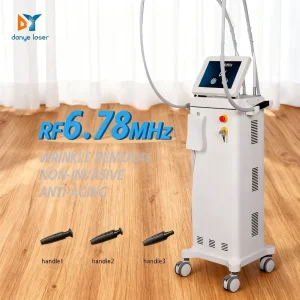
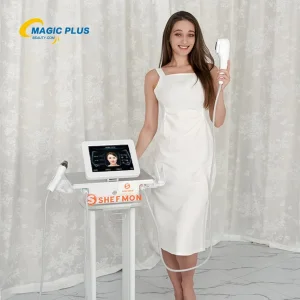
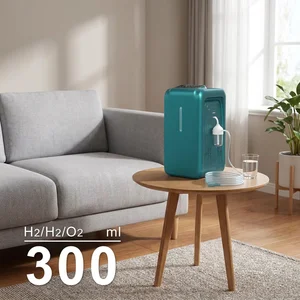
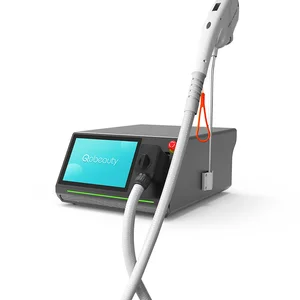
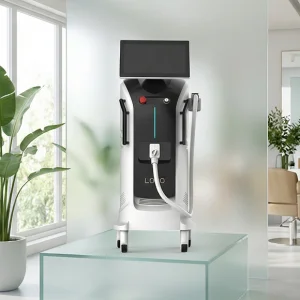
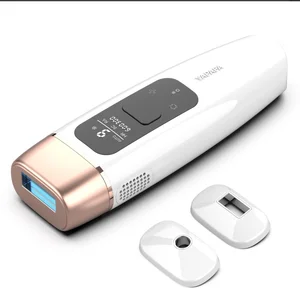
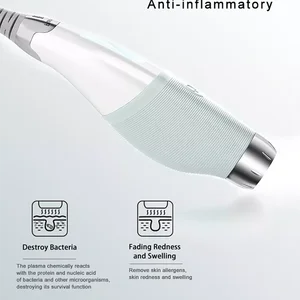
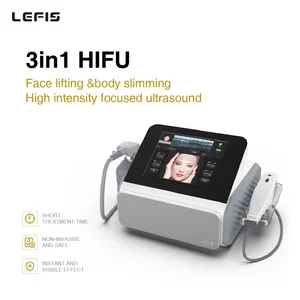
The global aesthetic hardware landscape is experiencing a micro-technological renaissance. The historical reliance on aggressive chemical peels and high-downtime ablative procedures has yielded to non-invasive, high-precision modalities. At the epicenter of this evolution is Nano Facial Technology—a term representing the convergence of sub-micron transdermal delivery, high-frequency ultrasonic nebulization, and targeted electroporation.
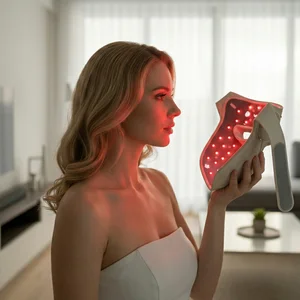
By leveraging nano-scale atomized nutrient vectors, modern systems can breach the lipid bilayer of the stratum corneum without inducing physical trauma. This achieves an exponential increase in active bio-constituent absorption rates, jumping from a mere 5% typical of topical applications to over 78% via electro-osmotic and mechanical micro-channel injection. Concurrently, integrating cellular energy rejuvenation—specifically via targeted red-light phototherapy, localized micro-currents, and focused radio frequencies—enables dual-action treatment plans that resolve cutaneous concerns at a cellular depth.
Reducing active serum particles to less than 100 nanometers bypasses typical epidermal resistance, ensuring active peptides, hyaluronic acid, and ascorbic acid reach the targeted dermal matrices effectively.
Integrating micro-currents alters the electrical polarization of cell membranes temporarily, opening physical pathways for deep fluid and nutritional transdermal absorption.
Modern consumers demand zero-downtime procedures. System architectures must support instant hydration, thermal tightening, and immediate cellular recovery in one session.
Distributors and medical spa conglomerates face a volatile landscape when sourcing clinical hardware. Regulatory compliance, shipment delays, and hardware inconsistencies can impact profitability. High-performing procurement teams evaluate prospective partners across three core metrics:
Quality Verification
Exporting Regions
Deployed Systems
Technical Support SLA
Ningbo Biology Skincare Co., Ltd. is a leading manufacturer of professional facial machines, specializing in the research, engineering, and global supply of advanced beauty equipment. Serving aesthetic clinics, wellness spas, and beauty distributors worldwide, the company is built on a foundation of scientific innovation and rigorous quality control.
Operating out of state-of-the-art production facilities, Ningbo Biology Skincare designs and manufactures an extensive portfolio of non-invasive aesthetic equipment, including hydrodermabrasion systems, RF tightening machines, HIFU systems, LED phototherapy masks, and professional skin analysis platforms. Their systems are widely utilized for skin rejuvenation, anti-aging therapies, deep cleansing, and targeted tissue tightening.
Equipped with an experienced in-house R&D engineering division, the company consistently brings advanced technologies to market while offering comprehensive OEM and ODM solutions. These custom services allow brands to design tailored enclosures, modify user interfaces, and adjust performance specifications to stand out in their target markets.
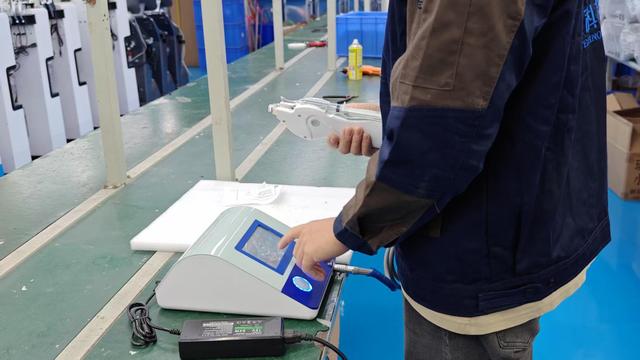
Ningbo Biology Skincare leverages the strengths of China’s Industry 4.0 manufacturing infrastructure to deliver reliable, high-precision aesthetic hardware. This manufacturing approach features integrated supply chain hubs, automated component assembly, and multi-stage quality assurance systems.
By streamlining component procurement and optimizing manufacturing processes, the company offers durable, high-performance machines at competitive price points. Every device undergoes rigorous multi-hour burn-in runs, pressure testing, and software validation prior to dispatch. This structured approach helps global partners minimize equipment downtime and reduce post-sale technical interventions.

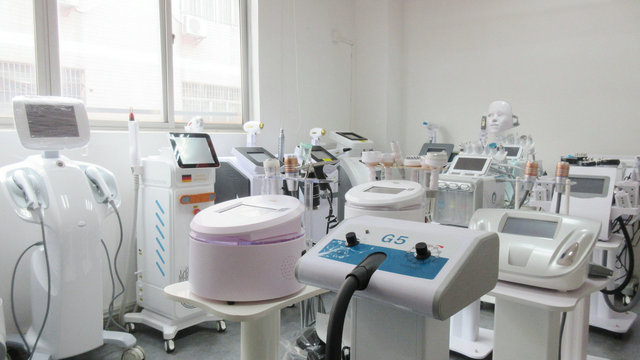
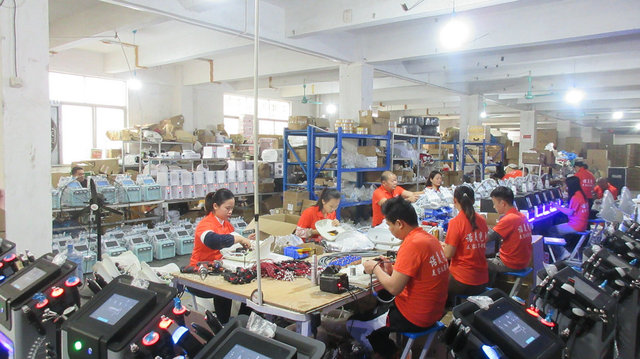

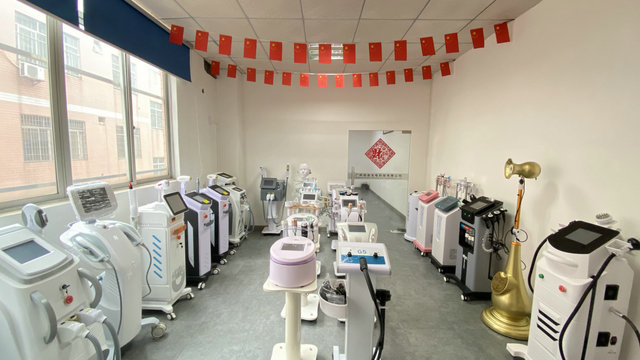
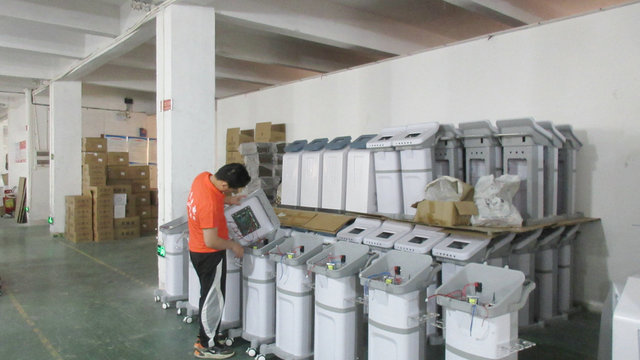
Modern aesthetic equipment must adapt to diverse clinical and commercial environments. Depending on demographic preferences and localized operational structures, system setups vary to maximize return on investment (ROI):
In high-end clinical settings, practitioners pair nano-infusion platforms with ablative laser resurfacing or chemical peeling protocols. Administering sub-micron hyaluronic acid and cooling serums immediately post-treatment accelerates tissue recovery, mitigates erythema, and shortens patient downtime, improving overall satisfaction.
For day spas focused on comfortable, relaxing experiences, non-invasive multifunctional platforms are highly effective. Combining hydra-dermabrasion, oxygen jet sprayers, and LED phototherapy in a single session creates a popular, zero-downtime service that provides immediate skin brightening and hydration.
For high-volume multi-location franchises, equipment reliability, intuitive user interfaces, and ease of cleaning are paramount. Standardized Android-based control interfaces allow operators to sync treatment protocols across locations easily, ensuring a consistent customer experience and simplified staff training.
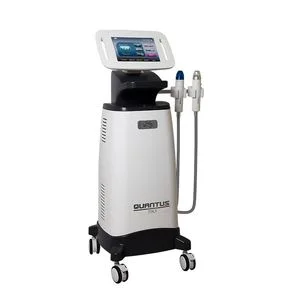
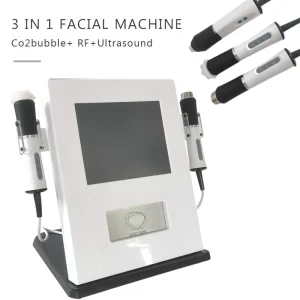
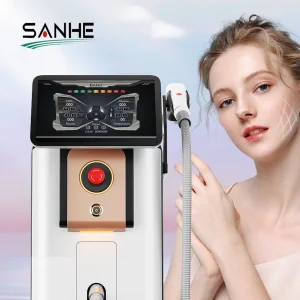
Explore our professional-grade aesthetic platforms designed for targeted skin rejuvenation, deep hydration, and non-surgical lifting.
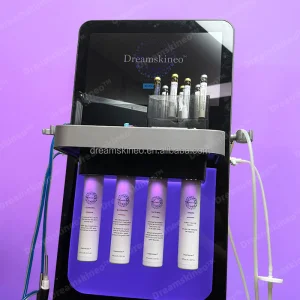
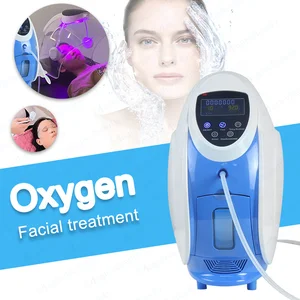
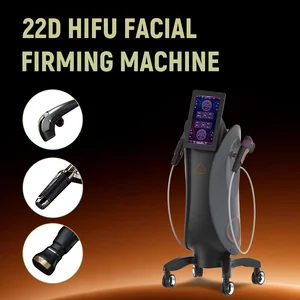
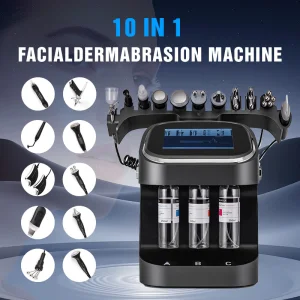
Technical and regulatory guidance for global buyers, distributors, and clinic procurement managers.
Traditional microneedling punctures the epidermis to trigger a wound-healing response. Nano facial technology utilizes sub-micron physical tips or high-frequency ultrasonic nebulization to target the skin's lipid barrier non-invasively. By generating transient micro-channels without pain or bleeding, it significantly increases the bioavailability and absorption of active ingredients like peptides and hyaluronic acid with zero downtime.
Distributors should confirm compliance with regional regulations, such as CE MDR for the European Union, FDA registrations for the United States, and RoHS/FCC markings for electrical safety and electromagnetic compatibility. Working with manufacturers like Ningbo Biology Skincare, who maintain ISO 13485-compliant quality management systems and perform systematic burn-in testing, helps ensure stable device performance and easier regulatory clearance.
OEM/ODM customization allows brands to tailor device chassis designs, incorporate brand colors, and configure customized software user interfaces (UI). It also permits adjustments to internal components—such as selecting specific vacuum pump capacities or RF power modules—ensuring the final product stands out visually and performance-wise from off-the-shelf alternatives.
Android systems allow beauty equipment to feature high-definition touch interfaces, detailed client tracking databases, and pre-programmed treatment protocols. They also support remote firmware updates (OTA) and system diagnostics, simplifying technical maintenance and software upgrades for clinic networks.
HIFU systems target deep tissue structures, such as the SMAS (superficial muscular aponeurotic system) layer, to promote lifting and tightening. Hydra platforms focus on superficial exfoliation, extraction, and deep hydration. Combining these modalities allows clinics to offer multi-layer skin rejuvenation protocols that address both surface texture and structural sagging.
The company applies strict quality control at every phase of production. This includes sourcing high-grade components (such as medical-grade pumps and optical filters), implementing a multi-point inspection process during assembly, and running post-production testing. This comprehensive quality control process helps minimize failure rates and ensures long-term operational reliability.
 Biology Skincare