Explore our core thermal energy systems, hydro-dermabrasion configurations, and non-invasive clinical machinery engineered for deep tissue cooling, skin resurfacing, and cellular stimulation.
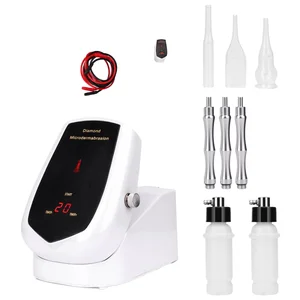
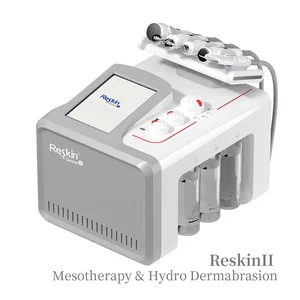
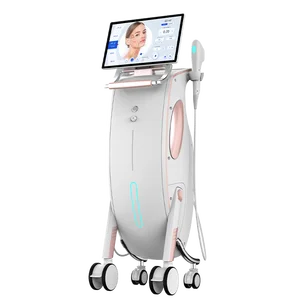
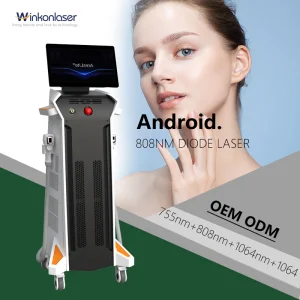
In clinical dermatology and medical aesthetics, cryotherapy facials have transcended basic cold therapy. The process relies on thermal-shock kinetics.
By exposing skin cells to regulated sub-zero air temperatures (reaching as low as -30°C), local blood vessels undergo rapid vasoconstriction, followed immediately by vasodilation once the cooling stimulus is removed. This physiological rebound, known as the Hunting Response, triggers a cascade of microcirculatory activity, flooding the facial dermal layer with oxygen-rich blood and essential nutrients.
Furthermore, controlled hypothermic shock stimulates fibroblasts to upregulate the expression of Type I Collagen and elastin. For global clinics and medical spas, choosing the correct supplier for these devices requires a firm grasp of thermodynamic engineering. Devices must provide continuous, dry cold air without risk of localized frostbite or unstable fluctuations.
Selecting top exporters ensures you secure equipment that delivers stable performance under long operational hours in heavy-duty salon environments.
B2B procurement agents, medical clinic chains, and global aesthetic distributors require high-performance, compliant, and durable hardware. Standard consumer-grade cooling cannot match the continuous pressure and air-flow needs of busy clinics. Below is how the global procurement landscape segments its hardware requirements:
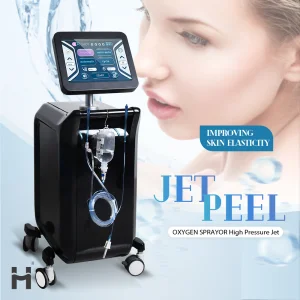
Multi-modality stands out. Spas prefer systems combining hydro-microdermabrasion, high-pressure oxygen peeling, and cryo-cooling in one chassis. This optimizes floor space and maximizes treatment ROI.
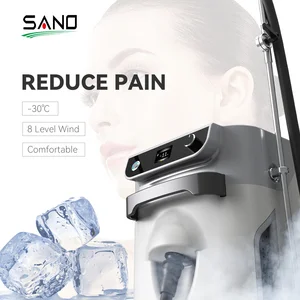
For high-energy systems (like 980nm diode lasers, CO2 fractional lasers, or Pico lasers), cold air units running at -30°C (such as Zimmer-style systems) are essential to prevent epidermal burns and minimize discomfort.
Compliance is mandatory. Importers in the EU and North America demand CE (MDD/MDR) certifications, FDA listings, RoHS compatibility, and ISO 13485 quality management systems.
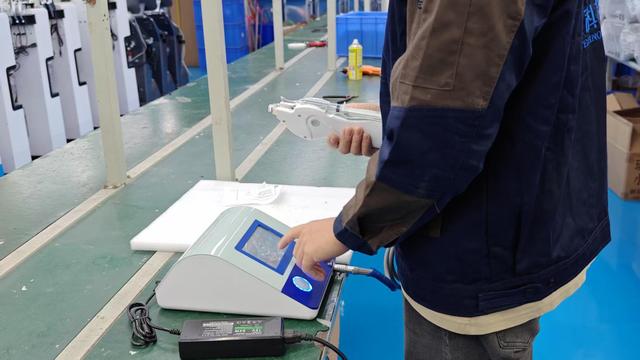
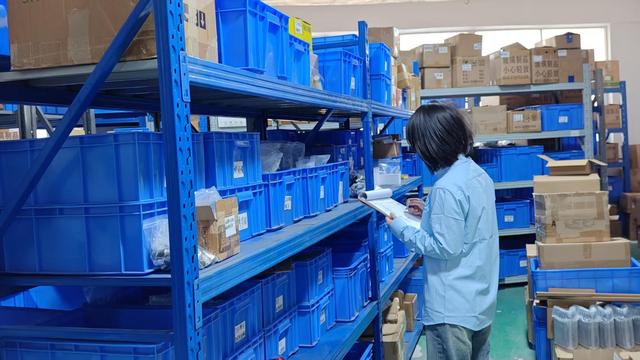
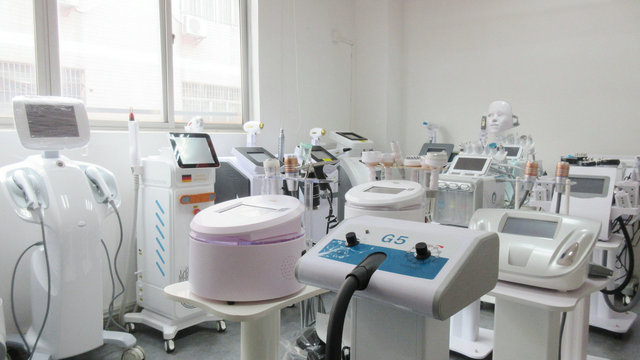
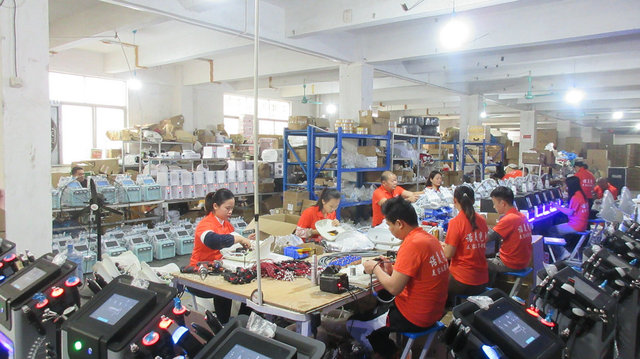
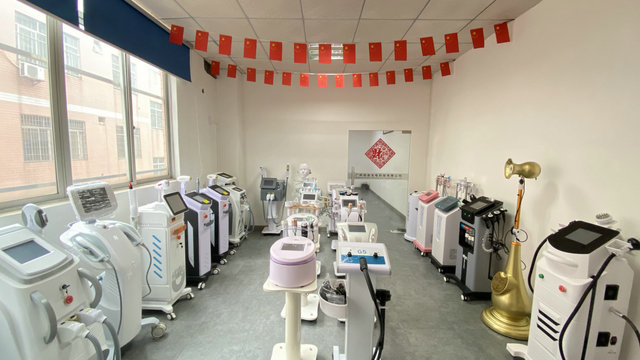
To understand the source of these advanced technologies, we analyze top global manufacturing hubs. Foremost among these is Ningbo Biology Skincare Co., Ltd., a professional China facial machine manufacturer dedicated to the research, development, production, and supply of advanced beauty equipment for salons, spas, aesthetic clinics, and skincare professionals worldwide. With a strong commitment to innovation, quality, and customer satisfaction, the company delivers comprehensive aesthetic device solutions for the global beauty industry.
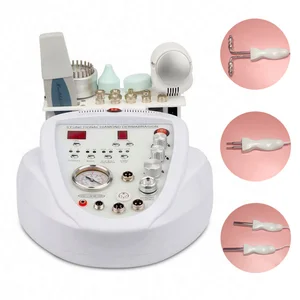
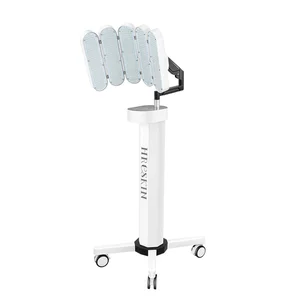
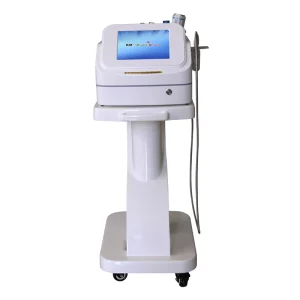
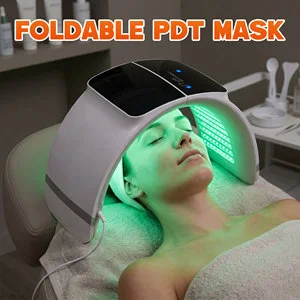
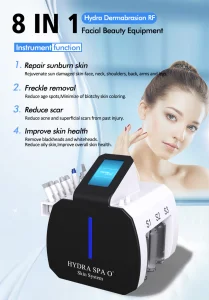
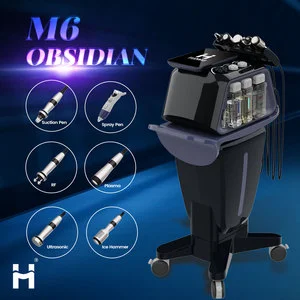
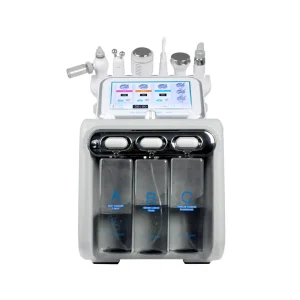
Equipped with modern manufacturing facilities and advanced production technologies, Ningbo Biology Skincare offers a wide range of professional beauty equipment, including:
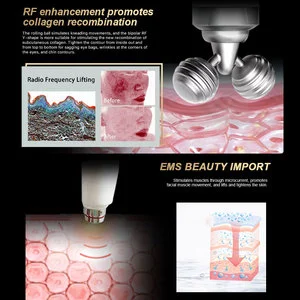
These systems are widely deployed worldwide for non-invasive skin rejuvenation, anti-aging therapies, deep tissue cleansing, vascular removal, and post-laser skin stabilization. Innovation drives the company's continuous growth. Supported by an experienced R&D team, Ningbo Biology Skincare constantly develops new technologies and upgrades existing products to meet the evolving demands of beauty professionals and aesthetic institutions. The company also provides customized OEM and ODM services, enabling customers to create differentiated products and strengthen their market competitiveness.
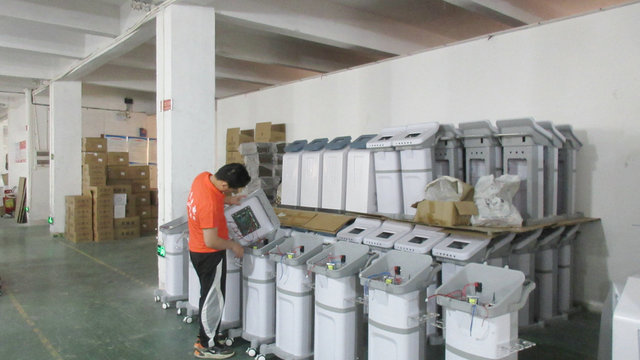
Quality is at the center of every operation. Strict quality control procedures are implemented throughout the entire manufacturing process, from component sourcing and assembly to final testing and inspection. All products are designed to comply with international quality and safety standards, ensuring reliable performance, durability, and user safety.
With competitive manufacturing capabilities, professional technical support, and efficient global logistics services, Ningbo Biology Skincare Co., Ltd. has established long-term partnerships with distributors, beauty brands, salons, and clinics around the world. The company remains committed to providing innovative facial machines and professional beauty equipment that help customers deliver exceptional skincare treatments and achieve business growth.

Modern clinical protocols rarely rely on a single energy source. The growth of the cryo-aesthetic industry is driven by combining cold therapy with other modalities. These combinations enhance results and protect tissue.
A. Laser Therapy & Cryo Stabilization: During high-fluence hair removal (using 808nm/Ice Titanium wavelengths) or vascular treatment (using 980nm diode lasers), the skin surface is subjected to high heat. Utilizing a system like the -30C Zimmer Cryo Cold Air Skin Cooling Machine concurrently with the laser energy protects the epidermis from thermal injury, dramatically reduces pain, and allows clinicians to safely use higher energy levels.
B. Hydro-Microdermabrasion & Cryo-Pore Refinement: Hydro-peeling vacuum systems clean pores and exfoliate the skin. Following this with a cryo-oxygen jet infusion hydrates the tissue and constricts the pores. This locks in serums and minimizes post-peel redness.
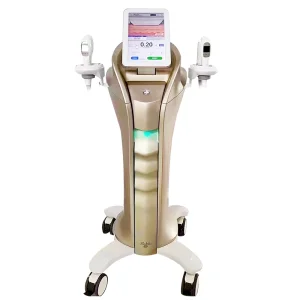
C. HIFU (High Intensity Focused Ultrasound) & Thermal Regulation: HIFU creates coagulation zones deep within the SMAS layer at temperatures of 60-70°C. Applying surface cooling pre- and post-treatment prevents superficial burns without reducing the deep thermal effect required for facial lifting.
Purchasing from international manufacturers requires structured supply chain safety protocols. When reviewing the top 10 cryotherapy facial exporters, look for these operational frameworks:
Exporters like Ningbo Biology Skincare specialize in matching system hardware with target market regulations. This includes modifying system voltages (110V US plugs vs. 220V EU systems), updating shell casing designs, and customizing software interfaces to include multi-language support (English, Spanish, German, French, Portuguese, and more).
High-capacity cold air systems contain compressors and refrigerants (such as R407c, R134a, or eco-friendly alternatives). Exporters must provide MSDS certification, use robust sea/air freight packaging, and secure proper customs declarations. This ensures units arrive safely and without customs delays.
Explore technical details regarding thermodynamic specifications, treatment integration, safety, and B2B order fulfillment.
Explore our second group of specialized systems, including advanced laser cooling units, high-intensity focused ultrasound systems, and multi-function anti-aging skincare platforms.
 Biology Skincare