
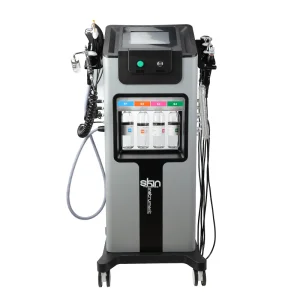
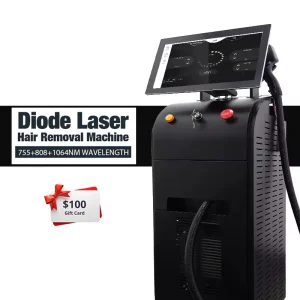
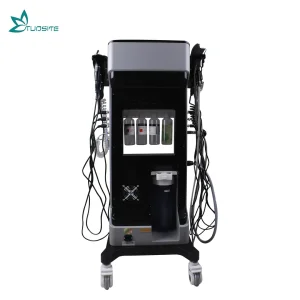
The global market for medical aesthetics and professional skin rejuvenation is undergoing an unprecedented technological paradigm shift. As aging demographics increase in affluent economies and consumer awareness of non-surgical rejuvenation escalates, B2B procurement for Age-Defying Devices is experiencing intense consolidation. The demand is transitioning rapidly from basic topical treatments to energy-based devices (EBDs) capable of targeting deeper anatomical layers, such as the superficial muscular aponeurotic system (SMAS), dermal collagen networks, and epidermal pigmentation pathways.
Distributors, medi-spas, and aesthetic clinics are no longer evaluating systems based purely on capital expenditure. Today's commercial success depends on long-term clinical efficacy, regulatory compliance, zero-downtime operations, and advanced parameters such as multi-dimensional focused ultrasound (22D/7D HIFU), advanced Dye Pulsed Light (DPL), and BroadBand Light (BBL). The dynamic balance of high pulse energy, integrated contact cooling, and safety sensor telemetry has defined the standard for the modern professional device.
"In the B2B supply chain, device reliability translates directly to business continuity. Clinic owners are demanding systems with lower treatment costs, high patient throughput capabilities, and verifiable regulatory compliance."
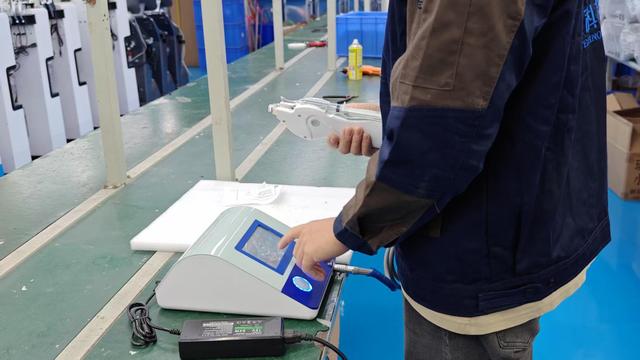
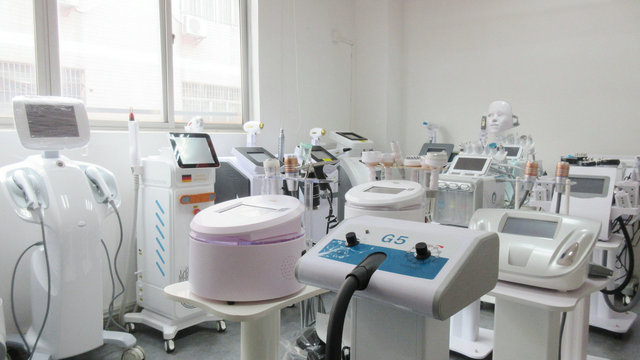
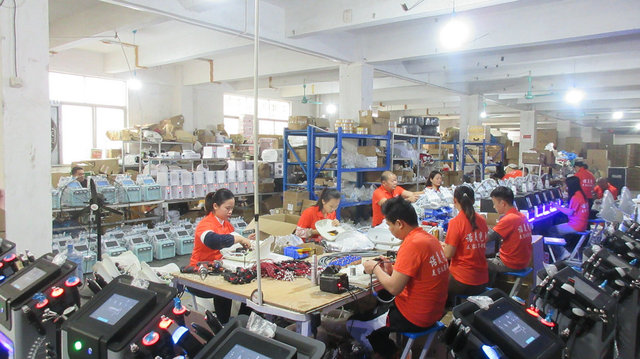
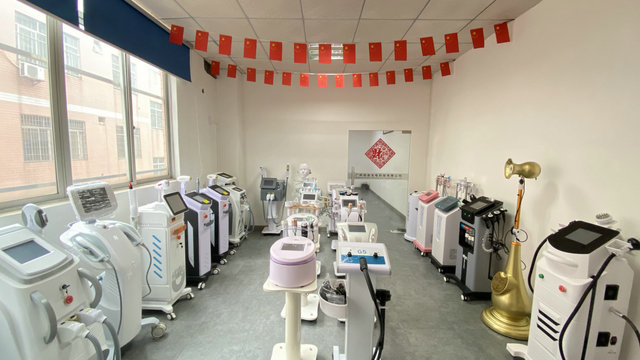
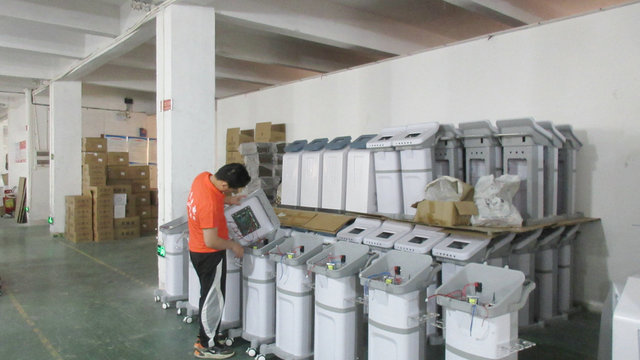
As manufacturing ecosystems centralize, professional hubs such as Zhejiang and Guangdong have emerged as powerhouses for beauty device engineering. Leading players, like Ningbo Biology Skincare Co., Ltd., integrate R&D, clinical-grade assembly lines, and rigorous ISO quality control frameworks. This unified development pipeline allows for quick iteration and custom OEM/ODM configurations, enabling clinics to compete successfully with differentiated technology.
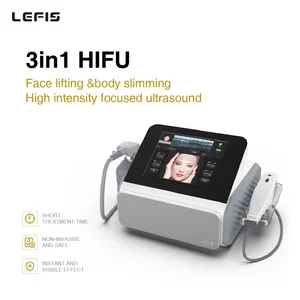
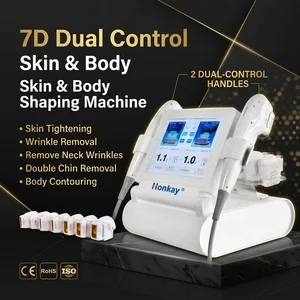
High-Intensity Focused Ultrasound (HIFU) systems (including 22D and 7D technologies) deliver thermal energy precisely to targeted tissue layers. By generating thermal coagulation zones (TCZs) at depths of 1.5mm, 3.0mm, and 4.5mm, these devices induce immediate collagen denaturation and long-term neocollagenesis without disrupting the overlying skin.
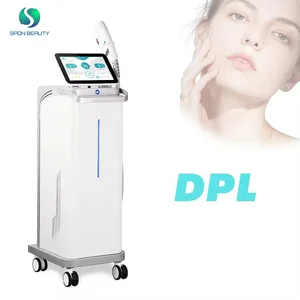
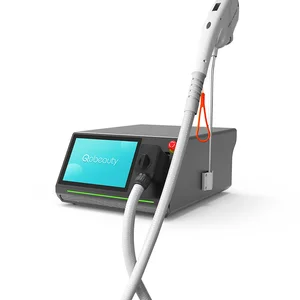
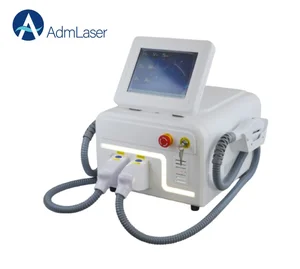
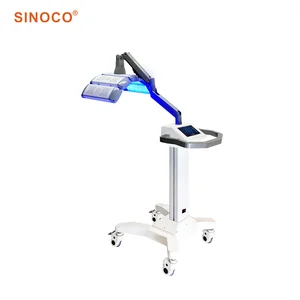
Dynamic Pulsed Light (DPL) refines traditional IPL by narrowing the output wavelength to 500-600nm, targeting melanin and hemoglobin absorption peaks. When coupled with BroadBand Light (BBL) technologies, it treats redness and hyperpigmentation while simultaneously improving epidermal tone and elasticity.
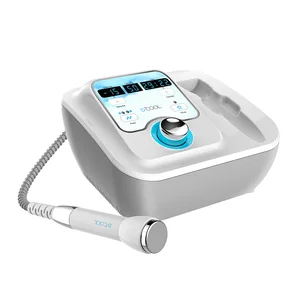
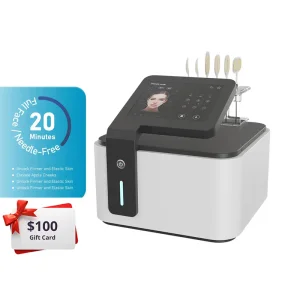
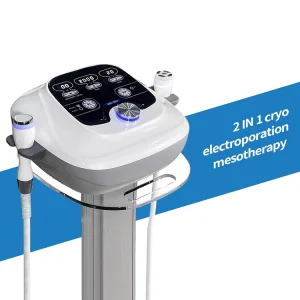
Bipolar and multipolar RF platforms deliver volumetric heating deep within the dermis to stimulate immediate collagen contraction. In modern treatment protocols, this is combined with electroporation (high-voltage pulsed microcurrents) to temporarily open cell membrane microchannels, increasing the absorption of topical actives by over 400%.
| Technology Class | Primary Tissue Target | Key Clinical Indication | Typical Downtime | Regulatory Barrier |
|---|---|---|---|---|
| High-Intensity Focused Ultrasound (HIFU) | SMAS Layer & Deep Dermis | Non-Surgical Facelift & Laxity Correction | 0 - 24 Hours | High (Medical Device Class II/III) |
| Dye Pulsed Light (DPL) / IPL | Epidermis & Upper Dermis | Vascular Lesions, Pigment & Photo-aging | 0 - 48 Hours (Mild Redness) | Medium to High |
| RF & Electroporation | Reticular Dermis & Subcutaneous Layer | Skin Tightening & Mesotherapy Penetration | Zero Downtime | Medium |
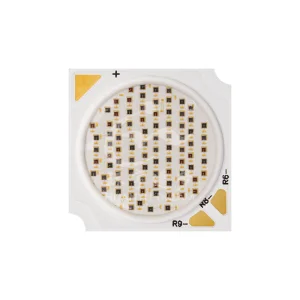
| LED Photo-biomodulation (COB LED) | Cellular Mitochondria | Anti-inflammation & Acne Wound Healing | Zero Downtime | Low to Medium |
Top-tier manufacturers maintain in-house software, electrical, and optical engineering teams. They don't just assemble parts; they design the system architecture, write the custom micro-controller code, and calibrate the energy outputs. A telltale sign of a quality manufacturer is the availability of custom OEM/ODM options, demonstrating they own their IP.
A trustworthy supplier should operate under an ISO 13485 medical device quality management system. Ask for factory testing records, power supply insulation certificates, and clinical trial datasets demonstrating the safety profile of their transducers, lasers, or flashlamps.
Beauty devices require regular calibration and maintenance. A reliable supplier provides clear user manuals, online video training modules, direct access to diagnostic engineers, and modular replacement components. This ensures any issues can be quickly resolved, minimizing downtime.

In North America, high labor costs make fast treatments essential. High-power systems, like 22D/7D HIFU and BBL, enable clinics to treat more patients per day. Operators prioritize FDA clearance, integrated patient database software, and customizable energy settings.
European markets operate under the Medical Device Regulation (MDR) framework. Sourcing is focused on compliance, documentation, and tracebility. Dual-energy systems that combine electroporation with non-invasive lifting are popular for gentle, progressive anti-aging treatments.
Treating darker skin types (Fitzpatrick scale III-VI) requires gentle, targeted pigment protocols. DPL and 808nm diode systems must feature advanced contact cooling to protect the epidermis from post-inflammatory hyperpigmentation (PIH) while targeting the underlying structures.
Note on Sourcing: Always request the supplier's raw engineering data sheets, including the pulse width limits, maximum peak power (kW), and thermal performance of the cooling system, to ensure the device is suitable for your specific location.
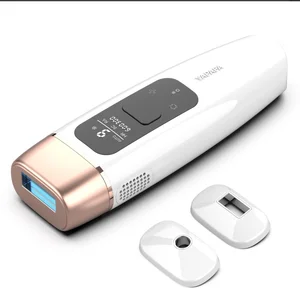
 Biology Skincare