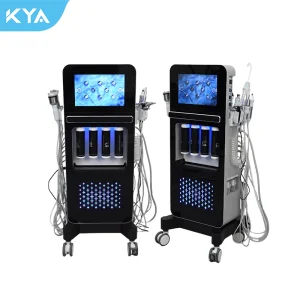
Direct supply line of next-generation medical-grade and salon-specialized dermatological infrastructure platforms.
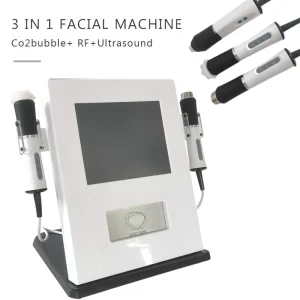
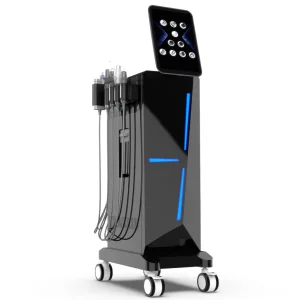
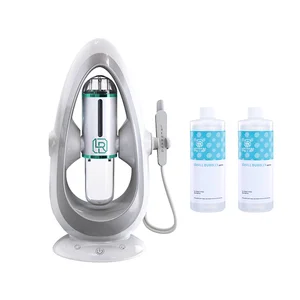
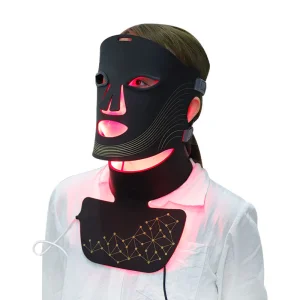
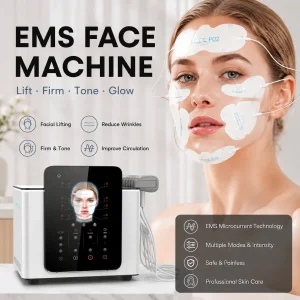
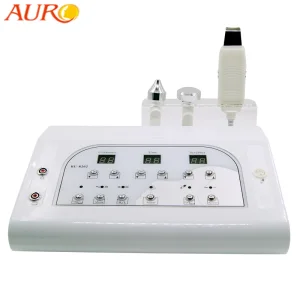
A comprehensive examination of global non-invasive clinical thermal therapeutics and manufacturing infrastructure.
The global aesthetic market has observed a monumental paradigm shift toward non-invasive and micro-invasive dermal restructuring interventions. Radio Frequency (RF) skin tightening technology represents the cornerstone of this technological transformation. By using high-frequency alternating electric currents to generate targeted thermal fields within the deep dermal layers, modern RF devices induce immediate collagen fiber constriction and activate long-term neocollagenesis pathways. This sophisticated bio-thermal mechanism addresses systemic dermal laxity without the surgical risks, recovery delays, or epidermal compromise historically linked to invasive rhytidectomy procedures.
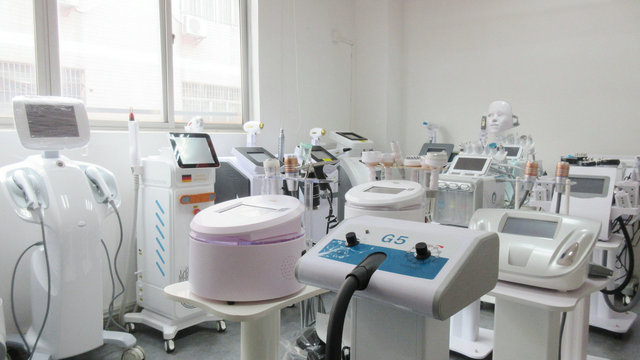
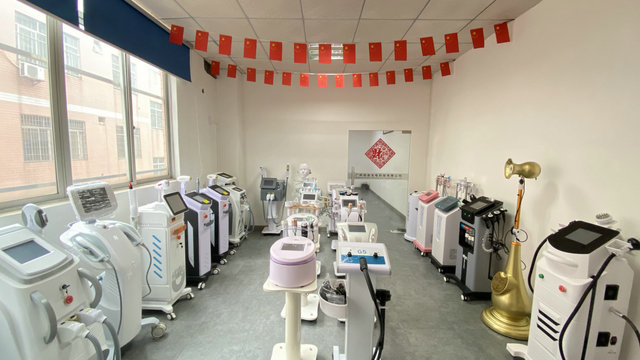
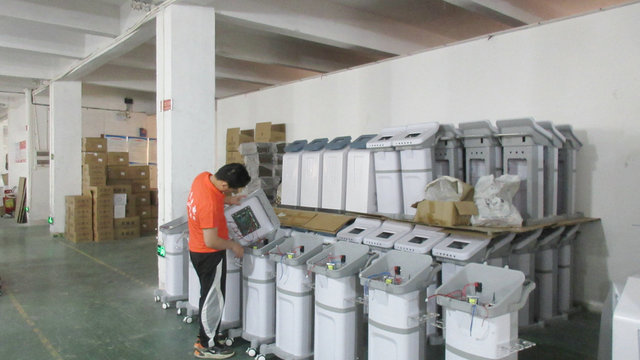
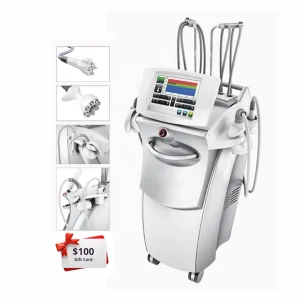
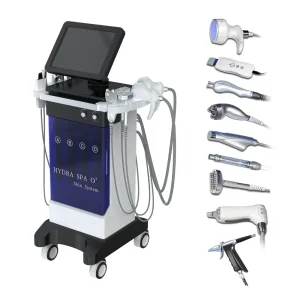
The operational framework of the contemporary non-invasive aesthetic instrument supply chain relies on strict quality systems and consistent manufacturing metrics. Modern facilities feature state-of-the-art manufacturing lines and high-precision quality control systems. This allows the integration of complex technologies into multi-functional platforms, including multi-polar and fractional RF sub-systems, high-intensity focused ultrasound (HIFU) arrays, algorithmic skin analysis matrices, hydro-dermabrasion deep cleansing circuits, transdermal oxygen jet injection devices, and narrow-band LED phototherapy technologies.
Innovation remains crucial for maintaining long-term market advantages in this fast-evolving landscape. Driven by an expert R&D collective comprising biomedical engineers, electronic circuit specialists, and clinical consultants, leading manufacturers continuously upgrade firmware algorithms and hardware architectures. This dedication enables agile adjustments to changing consumer demographics, new safety standards, and specialized treatment requirements. This comprehensive approach helps international B2B partners establish distinct market advantages and capture higher market share within their respective regional markets.
An engineering deep-dive into impedance matching, radiofrequency pole geometry, and tissue interaction models.
From an engineering perspective, RF skin tightening operates via controlled electromagnetic energy deposition. Unlike laser-based photothermolysis, which depends heavily on specific chromophore absorption spectrums, RF energy interacts directly with tissue electrical impedance. When high-frequency current passes through biological tissue, the natural resistance of the structural layers transforms this electromagnetic flow into thermal energy. This process is mathematically governed by Joule’s First Law:
To safely maximize cellular remodeling without causing thermal damage to the epidermis, advanced systems utilize complex pole topologies and real-time monitoring sensors:
Utilizes a single active treatment pole paired with a remote grounding pad. This design establishes deep vertical current pathways that reach deep into the subcutaneous fat layers and lower fascial systems, making it highly effective for major structural contouring.
Configures multiple positive and negative poles within a single ergonomic treatment head. This setup contains the current loop strictly within the target dermal boundaries, ensuring precise thermal management and eliminating the need for external grounding mechanisms.
Combines physical micro-insulated needles with pulse RF delivery. By passing the surface epidermis and delivering thermal pulses directly into localized coordinates within the dermis, it triggers rapid mechanical and thermal healing responses simultaneously.
During treatments, maintaining a precise temperature range of 40°C to 43°C at the surface translates to an internal dermal range of 52°C to 65°C. This specific thermal window breaks down the hydrogen bonds within the triple-helix collagen structures, causing immediate fiber shortening and thickening. Consequently, this remodeling process triggers a natural cellular response over the following 90 to 180 days, during which fibroblasts produce a new matrix of fresh collagen and elastin fibers.
Rigorous quality protocols, testing matrices, and customized component engineering for international markets.
In the highly regulated medical and aesthetic device sector, manufacturing stability directly impacts brand reputation and clinical safety. Quality management begins at the component sourcing level. Industrial excellence requires strict control protocols over raw material intake, PCB trace designs, power transformer ratings, and insulation layers. Every operational phase adheres to international quality and safety benchmarks, ensuring stable current outputs, long-term operational life, and excellent user protection across varied environments.
For international distributors and brand owners seeking custom market solutions, comprehensive OEM and ODM pathways streamline development costs and shorten time-to-market. These industrial services include:
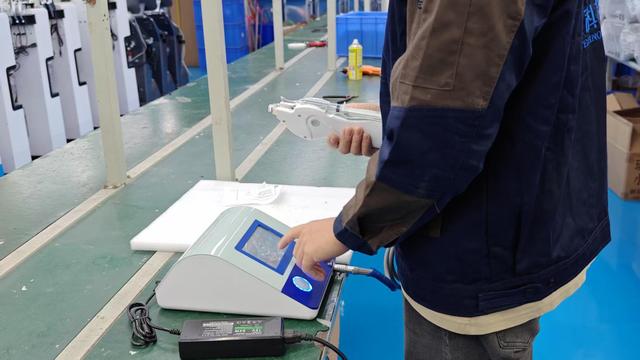
Furthermore, finished devices undergo rigorous stress testing, including continuous multi-hour performance burn-ins, high-voltage insulation tests, and localized thermal mapping. This ensures every shipped platform functions perfectly under intense clinic usage conditions worldwide.
Tailoring advanced non-invasive protocols across international regional demographics and aesthetic environments.
Deploying energy-based aesthetic devices across global markets requires a deep understanding of localized skin types, regulatory limits, and regional business environments. For instance, European and North American medical spas prioritize multi-functional systems that combine high-energy skin tightening with skin analysis and deep cleansing capabilities. This lets operators maximize room utility and offer complete, highly profitable treatment packages in a single session.
In contrast, Asian aesthetic centers frequently focus on precise, localized treatments targeting structural tightening and skin tone enhancement. To meet these distinct requirements, versatile device ecosystems feature modular plug-and-play handpieces. This allows clinics to switch easily from wide-area body contouring probes to ultra-precise, localized eye-area tips, ensuring excellent results across all skin types and structural concerns.
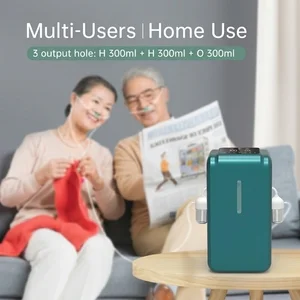
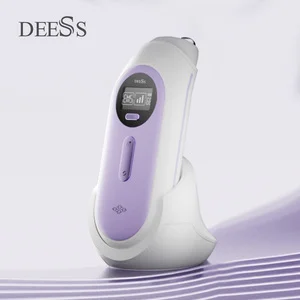
Additionally, the rising demand for home-use maintenance equipment has reshaped distribution networks. High-output clinic devices are now regularly supported by compact, lower-energy home devices. These portable systems use safe energy levels to help clients maintain their clinic results over time, providing international distributors with a steady, high-margin consumer product line.
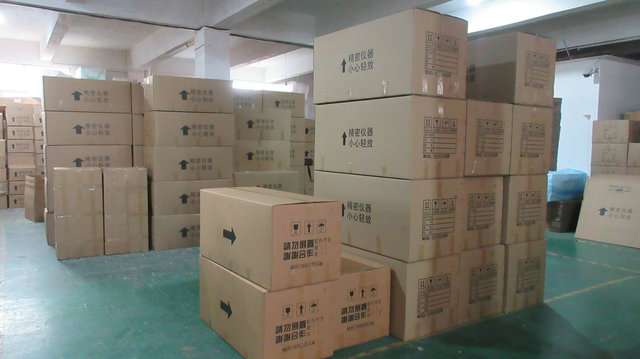
A transparent look at our specialized production workshops, assembly standard areas, and development testing facilities.

 svg>
svg>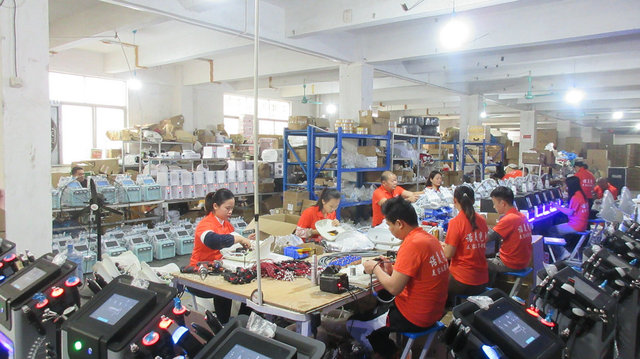
In-depth, direct answers addressing key regulatory, technological, and supply-chain inquiries from B2B buyers.
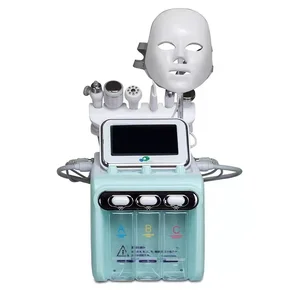
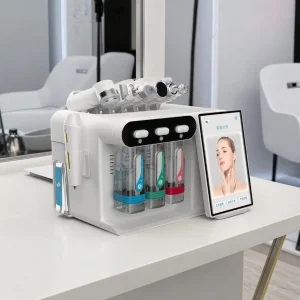
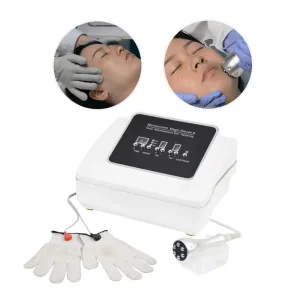
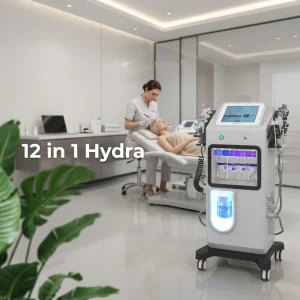
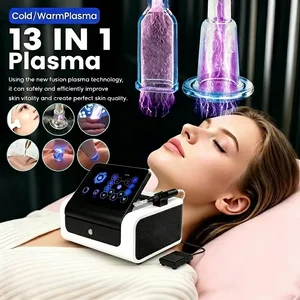
Extended technical arrays, specialized consumer configurations, and multi-use professional systems.
 Biology Skincare