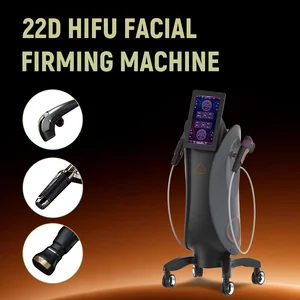
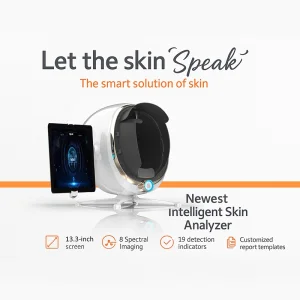
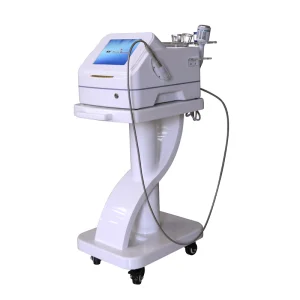
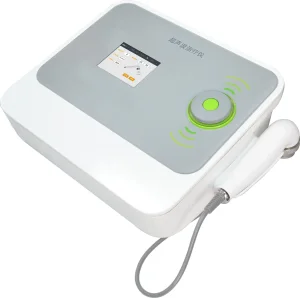
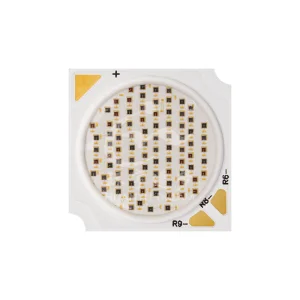
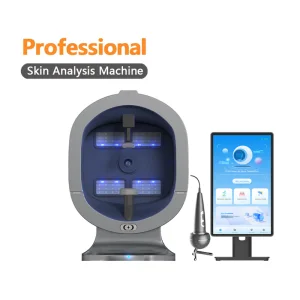
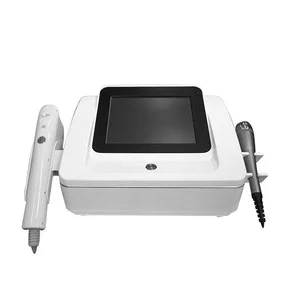
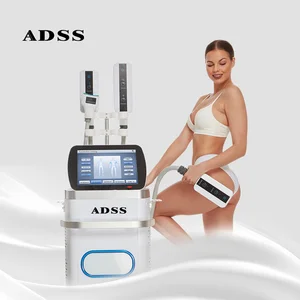
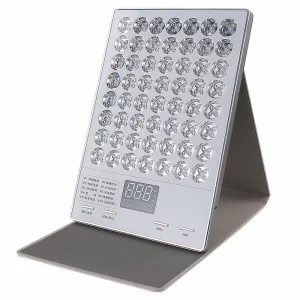
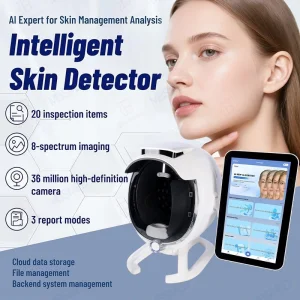
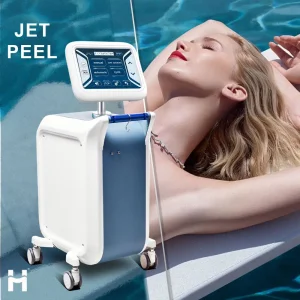
Explore our flagship configurations featuring integrated EMS, High-Intensity Focused Ultrasound (HIFU), RF, and AI-driven Skin Analysis systems engineered for clinical environments.
Over the last decade, non-invasive facial rejuvenation has underwent a paradigm shift. Where traditional techniques focused on surface-level skin dermis remodeling, contemporary clinical frameworks target the underlying structural anatomy—specifically the Superficial Muscular Aponeurotic System (SMAS) and facial muscle groups (such as the zygomaticus major, frontalis, and platysma).
EMS (Electrical Muscle Stimulation) utilizes low-frequency electrical currents to elicit localized neuromuscular depolarization, forcing involuntary contractions that mimic natural biological impulses. This process stimulates structural myofibrils, increases local microcirculation, and accelerates lymphatic drainage. The result is a dual-action therapeutic mechanism: direct toning of target muscle groups to correct ptosis (sagging) coupled with the stimulation of fibroblast activity in the overlying dermal layers.
The global trend now heavily favors combined platforms. By integrating EMS with radiofrequency (RF) heating or light-emitting diode (LED) phototherapy, manufacturers are enabling practitioners to treat epidermal, dermal, and muscle layers concurrently, yielding maximum clinical efficacy with zero downtime.
The global market for professional non-invasive aesthetic devices is projected to grow at a CAGR of over 10.5% through 2030. B2B importers, distributors, and spa chain executives face rising pressures to secure devices that combine high efficacy with rigorous safety standards. Compliance with European CE (Conformité Européenne) marking is no longer optional—it is a critical baseline requirement for entry into highly lucrative European markets and countries that align with EU import protocols.
Years of Medical-R&D Experience
CE Certified Beauty Portfolio
Global Export Destinations
Defect Rate under Factory 4.0 QA
Distributors must verify that their manufacturing partners do not merely apply stickers, but actually comply with EU directive test parameters.
Ensures that electrical equipment running on 50–1000V AC or 75–1500V DC poses zero electrical hazard to clinicians or patients. Key tests include dielectric strength, insulation resistance, and physical creepage distances inside the chassis.
Guarantees that the high-frequency electronics inside the EMS/RF device do not produce electromagnetic interference (EMI) that could disrupt other medical equipment, while also ensuring the system is immune to outside interference.
Restricts the utilization of toxic substances (such as lead, mercury, and cadmium) in the manufacture of electronic assemblies, ensuring the facial machine is environmentally safe and complies with electronic waste laws.
Ningbo Biology Skincare Co., Ltd. is a professional China facial machine manufacturer dedicated to the research, development, production, and supply of advanced beauty equipment for salons, spas, aesthetic clinics, and skincare professionals worldwide. With a strong commitment to innovation, quality, and customer satisfaction, the company delivers comprehensive aesthetic device solutions for the global beauty industry.
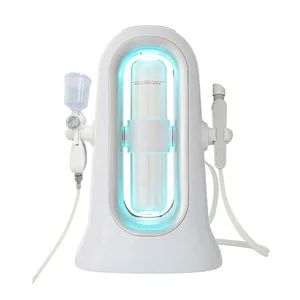
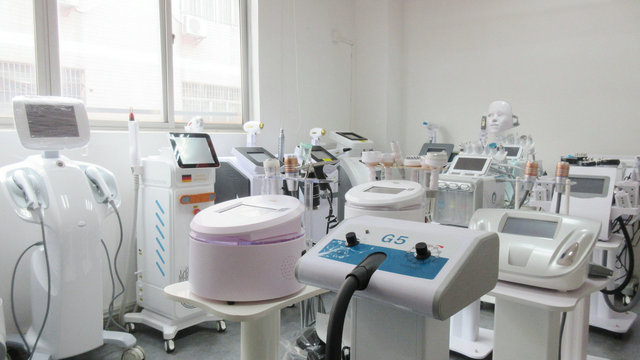
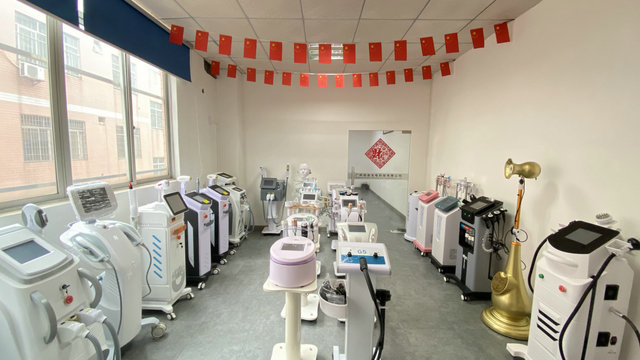
Equipped with modern manufacturing facilities and advanced production technologies, Ningbo Biology Skincare offers a wide range of professional beauty equipment, including hydra facial machines, RF facial machines, HIFU systems, skin analysis devices, oxygen facial machines, LED therapy equipment, multifunction beauty machines, and other non-invasive aesthetic solutions. These products are widely used for skin rejuvenation, anti-aging treatments, facial cleansing, skin tightening, and overall skincare enhancement.
Supported by an experienced R&D team, Ningbo Biology Skincare constantly develops new technologies and upgrades existing products to meet the evolving demands of beauty professionals. The company also provides customized OEM and ODM services, enabling customers to create differentiated products and strengthen their market competitiveness.
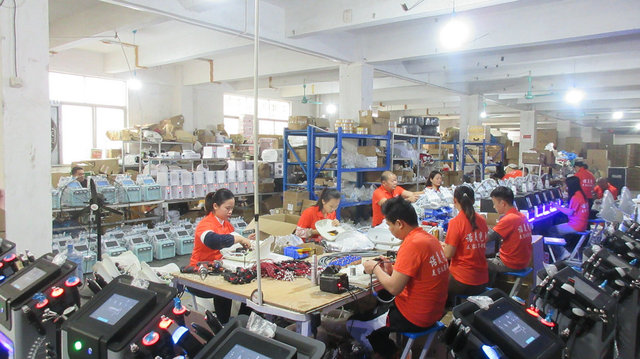
Quality is at the center of every operation at Ningbo Biology Skincare. Strict quality control procedures are implemented throughout the entire manufacturing process, from component sourcing and assembly to final testing and inspection. All products are designed to comply with international quality and safety standards, ensuring reliable performance, durability, and user safety.
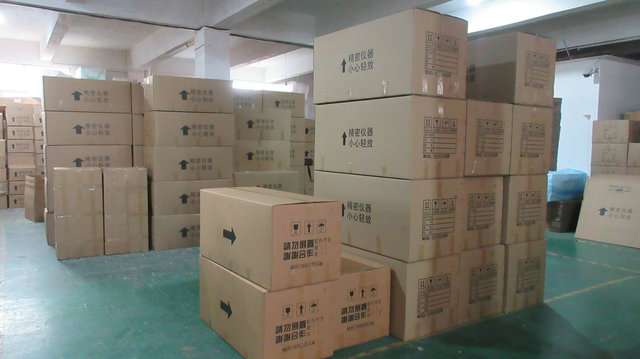
With competitive manufacturing capabilities, professional technical support, and efficient global logistics services, Ningbo Biology Skincare Co., Ltd. has established long-term partnerships with distributors, beauty brands, salons, and clinics around the world. The company remains committed to providing innovative facial machines and professional beauty equipment that help customers deliver exceptional skincare treatments and achieve business growth.
The modern aesthetic device industry requires incredible agility. In the ecosystem of China's Factory 4.0 model, Ningbo Biology Skincare utilizes vertically integrated supply chains to mitigate global logistics shocks and stabilize unit costs. By manufacturing components—from custom PCBA microcontrollers to injection-molded casings—in-house or through closely monitored regional clusters, we guarantee raw material traceability and consistent tolerances.
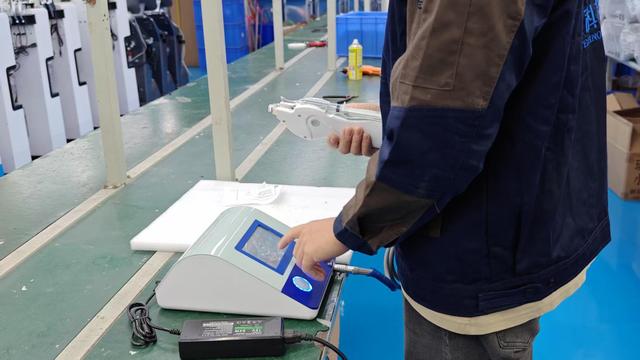
Our agile production floor utilizes automated optical inspection (AOI), automated test equipment (ATE) for electrical circuitry checkouts, and cleanroom zones for optoelectronic LED array assembly. This level of digitalization allows for rapid transition from high-volume manufacturing to short-run customized OEM runs, giving distributors the edge to adapt to shifting cosmetic technology trends without incurring astronomical capital costs.
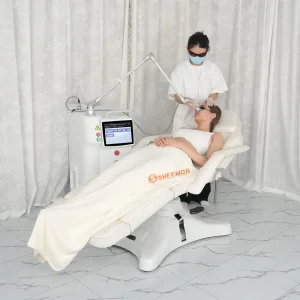
Understanding how the end-user interacts with EMS beauty systems determines product ROI. In professional clinical and spa settings, EMS devices serve as primary lifting treatments or supportive post-care systems following laser skin resurfacing or chemical peels. The micro-current and electrical stimulation profiles help soothe tissue inflammation and promote healing processes by boosting cellular ATP production.
For home-care consumer portfolios, miniature EMS devices integrated with IPL or red light modules have become key players in daily anti-aging maintenance. In both scenarios, the touch-screen interface, ergonomic handpieces, and customizable pre-sets allow local clinical operators to easily train staff and offer highly customized treatment plans without steep learning curves.
A roadmap for procurement directors to successfully audit EMS facial machine manufacturers before signing distribution agreements.
Audit whether the manufacturer's R&D can adjust parameters like pulse width (ranging 100μs–500μs) and frequency ranges (typically 1–150Hz). Modulated waveforms prevent muscle fatigue and provide superior results compared to cheap single-frequency systems.
Look beyond the purchase price. Assess probe replacement costs, handpiece cable durability (which endure constant bending), and the modular design of power modules inside the unit, which directly impacts on-site maintenance times.
Demand documentation showing thermal limits, skin resistance detectors, and isolated circuit boards. An EMS device must instantly cut power if a probe loses proper coupling with the patient's skin to prevent electric shocks.
Get answers to critical engineering, safety, and business questions regarding EMS facial machine manufacturing and imports.
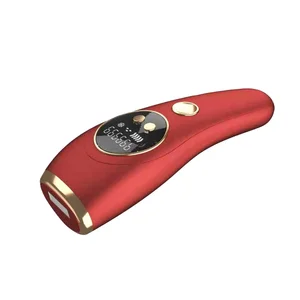
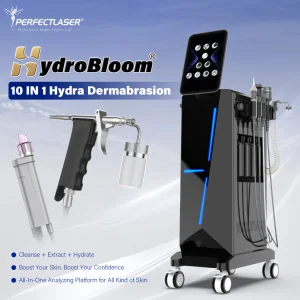
Explore our wider range of specialized systems, from cryotherapy fat reduction units to home-use IPL systems and deep hydra dermabrasion platforms.
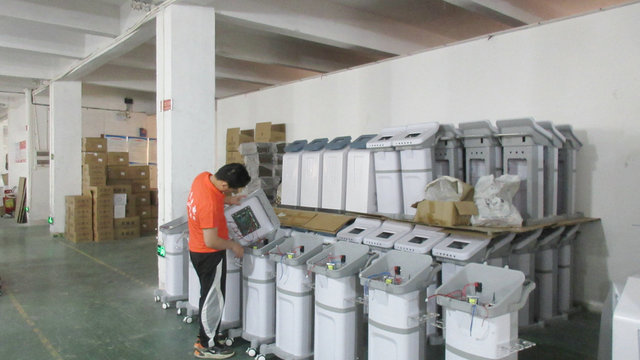
A visual overview of our manufacturing processes, including CNC molding, surface-mount clean rooms, component inspection stations, and our final system testing floor.

 Biology Skincare