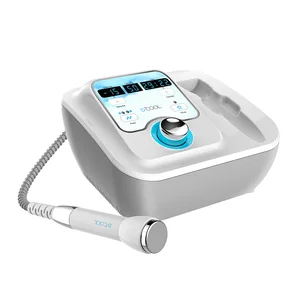

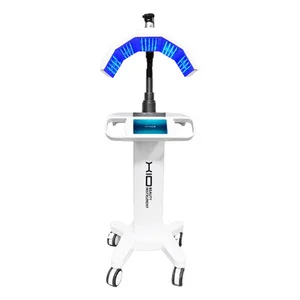
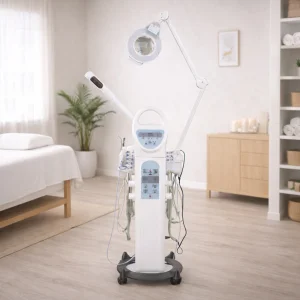
The global market for advanced skin brightening treatments and medical-grade hyperpigmentation solutions is witnessing unprecedented exponential growth. Driven by shifting consumer demographics, heightened awareness of post-inflammatory hyperpigmentation (PIH), and a strong demand for non-invasive cosmetic interventions, the industry has transitioned away from volatile chemical formulations to energy-based aesthetic devices. Professional clinical installations and medical spas across North America, Europe, and Asia-Pacific are increasingly adopting multi-technology modalities—integrating light therapy (PDT/LED), radiofrequency (RF), electroporation, and cold plasma—to deliver localized, highly controlled, and long-term whitening results.
Industrial projections indicate that clinical brightening devices will secure a major market share within the aesthetic device ecosystem by 2028. This growth is accelerated by the rise of custom-tailored treatments targeting melanin overproduction at a cellular level. As regulatory landscapes become stricter, notably in the European Union under the Medical Device Regulation (MDR) frameworks, certification is no longer optional. It has become the standard validator for market entry, ensuring that electrical safety (LVD), electromagnetic compatibility (EMC), and clinical efficacy are thoroughly verified.
To formulate effective brightening hardware, one must understand the biological mechanisms of melanogenesis. Melanin synthesis occurs within specialized organelles called melanosomes, located inside epidermal melanocytes. The rate-limiting enzyme in this pathway is tyrosinase, which catalyzes the oxidation of L-tyrosine to L-DOPA. Hyperpigmentation manifests due to elevated tyrosinase activity triggered by ultraviolet radiation, hormonal variations, mechanical stress, or chronic sub-clinical inflammation.
Modern devices disrupt hyperpigmentation pathways by using photothermal or photochemical interactions. This selectively Targets localized melanin deposits without destroying the surrounding epidermal layers, minimizing post-inflammatory hyperpigmentation (PIH).
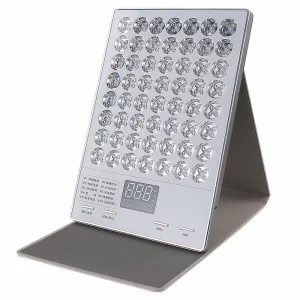
Specific light wavelengths (such as 590nm amber light for microvascular tone reduction and 630nm red light for structural collagen repair) stimulate the metabolic activity of dermal fibroblasts, promoting accelerated cellular turnover.
By bypassing the mechanical risks of traditional chemical peeling, non-invasive transdermal infusion preserves the skin barrier. This prevents secondary inflammatory pigmentation and maintains long-term skin health.
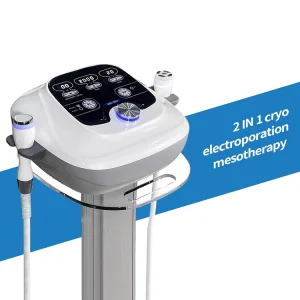
Applying advanced energy fields, such as electroporation (which temporarily creates hydrophilic microchannels in lipid bilayers) or low-temperature plasma, drastically increases the skin's permeability. This allows active, non-oxidized brightening compounds (like Glutathione, Ascorbyl Glucoside, and Tranexamic Acid) to penetrate deep into the basal layers where melanocytes reside, maximizing treatment efficacy.
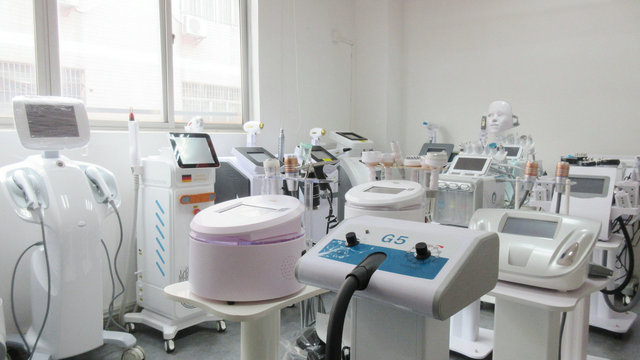
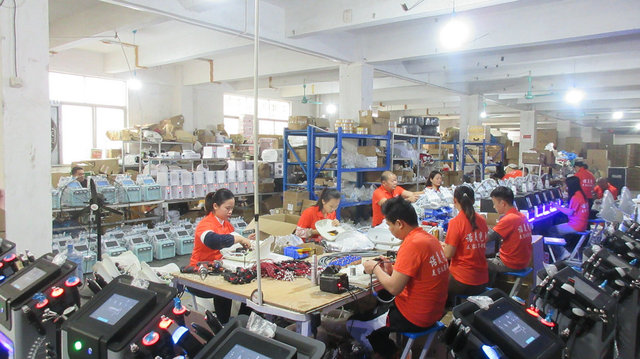
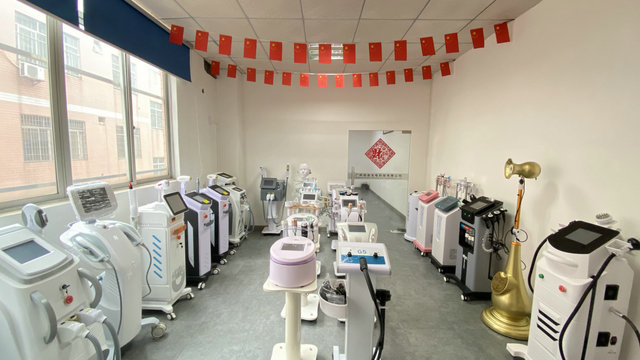
As a pioneer in professional aesthetic hardware, Ningbo Biology Skincare Co., Ltd. is a professional China facial machine manufacturer dedicated to the research, development, production, and supply of advanced beauty equipment for salons, spas, aesthetic clinics, and skincare professionals worldwide. With a strong commitment to innovation, quality, and customer satisfaction, the company delivers comprehensive aesthetic device solutions for the global beauty industry.
Equipped with modern manufacturing facilities and advanced production technologies, Ningbo Biology Skincare offers a wide range of professional beauty equipment, including hydra facial machines, RF facial machines, HIFU systems, skin analysis devices, oxygen facial machines, LED therapy equipment, multifunction beauty machines, and other non-invasive aesthetic solutions. These products are widely used for skin rejuvenation, anti-aging treatments, facial cleansing, skin tightening, and overall skincare enhancement.
Innovation drives the company's continuous growth. Supported by an experienced R&D team, Ningbo Biology Skincare constantly develops new technologies and upgrades existing products to meet the evolving demands of beauty professionals and aesthetic institutions. The company also provides customized OEM and ODM services, enabling customers to create differentiated products and strengthen their market competitiveness.
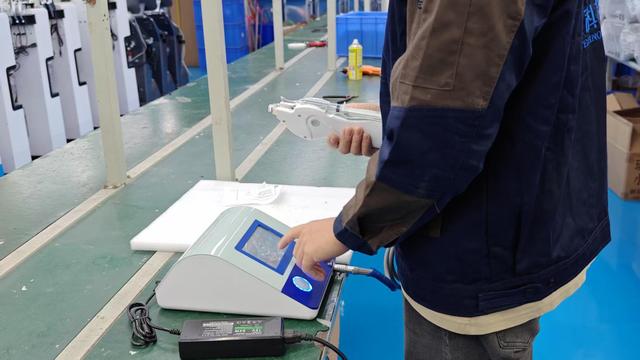
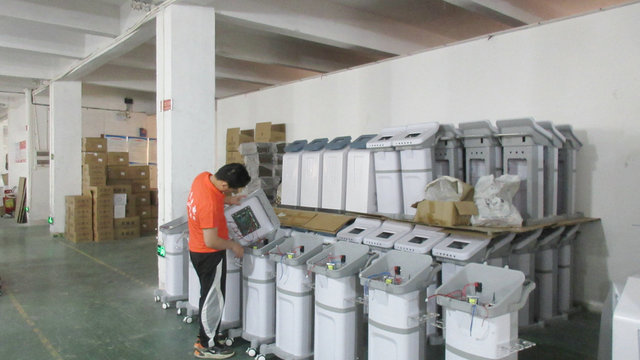
Quality is at the center of every operation. Strict quality control procedures are implemented throughout the entire manufacturing process, from component sourcing and assembly to final testing and inspection. All products are designed to comply with international quality and safety standards, ensuring reliable performance, durability, and user safety.
With competitive manufacturing capabilities, professional technical support, and efficient global logistics services, Ningbo Biology Skincare Co., Ltd. has established long-term partnerships with distributors, beauty brands, salons, and clinics around the world. The company remains committed to providing innovative facial machines and professional beauty equipment that help customers deliver exceptional skincare treatments and achieve business growth.
Clinical beauty trends and patient needs vary significantly across regional markets. Implementing effective brightening protocols requires adaptable equipment setups tailored to these localized preferences.
Primary Concern: Post-inflammatory hyperpigmentation (PIH) and actinic keratosis (sun spots).
Preferred Modality: High-powered PDT systems combined with targeted radiofrequency (RF) microneedling. Treatments prioritize rapid results and require low-downtime, lunch-hour procedures that integrate seamlessly into busy urban lifestyles.
Primary Concern: Age spots, environmental pollution dullness, and anti-aging synergies.
Preferred Modality: Combined cold plasma skin regeneration and medical LED photobiomodulation. The European demographic prioritizes safe, CE-certified non-thermal technologies that protect thin, fragile skin types.
Primary Concern: Melasma, yellow skin tone correction, and total skin luminosity.
Preferred Modality: Transdermal infusion via electroporation combined with SPE/PEM hydrogen mist therapy. The focus is on deep cellular hydration, soothing sensitivity, and achieving a radiant, even-toned complexion.
The future of skin-whitening and hyperpigmentation therapy lies in integration and personalization. As artificial intelligence integrates with optical diagnostics, brightening systems are evolving from static machines into intelligent, adaptive treatment platforms.
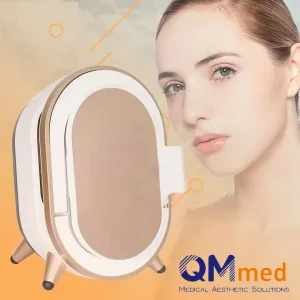
Integrating 3D facial scanners and skin analyzers to measure melanin distribution depth and vascular redness before each treatment. This allows the system to auto-adjust light energy and RF frequency levels.
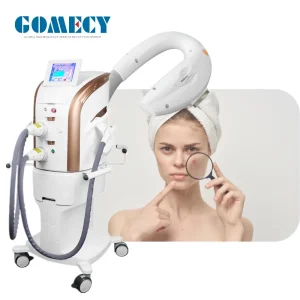
Combining multi-wavelength LED arrays (590nm + 630nm + 830nm) with non-invasive electroporation in a single handpiece. This shortens treatment times while maximizing transdermal delivery.
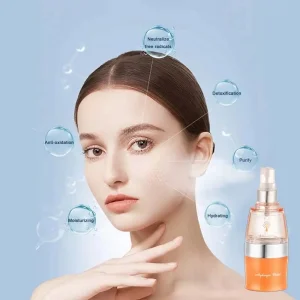
Utilizing SPE/PEM water electrolysis hydrogen generators to neutralize cytotoxic oxygen radicals (ROS) during energy treatments. This blocks the inflammatory pathways that trigger melanocyte hyperactivity.
Ningbo Biology Skincare Co., Ltd. provides comprehensive, end-to-end B2B solutions designed to minimize risk and accelerate time-to-market for international importers, spa networks, and private aesthetic clinical brands:
We provide full hardware modifications, customizable software interfaces, and tailored structural chassis styling to match your brand's unique identity. This helps you build strong market differentiation and brand equity.
We supply complete technical documentation, safety certificates, test reports, and factory quality records. This facilitates smooth customs clearance and local health authority registration in target import markets.
We provide detailed video guides, system operation manuals, clinical protocols, and direct support from our technical team to help your staff master our devices quickly and safely.


 Biology Skincare