Top Reasons Why Non Invasive Facial Treatments Are Popular

Time:2026-09-28 Author:Aria
0%

Non-invasive facial treatments have moved from clinic menus into everyday beauty conversations. The question “why are non invasive facial treatments becoming popular” has several practical answers. Many people want visible skin care without surgery, lengthy recovery, or major disruption to work and family routines. A lunchtime appointment, gentle facial, or carefully selected light-based treatment can feel more manageable than a procedure requiring days at home. That convenience matters.

Personalization also draws interest. A qualified practitioner may discuss concerns such as dryness, uneven tone, or fine lines, then explain which options could suit the person’s skin. Some treatments are designed to support hydration or improve the appearance of texture, but results vary. Not magic. Social media has made these options easier to discover, though polished before-and-after images rarely show every detail, including cost, repeat visits, or temporary redness.

Popularity should not replace careful judgment. “Non-invasive” does not mean risk-free, and devices or active ingredients can irritate skin or worsen certain conditions. People should ask who performs a treatment, what training they have, what outcomes are realistic, and what aftercare is needed. Those with persistent skin problems may benefit from advice from a licensed medical professional rather than a beauty trend. It is tempting to expect a quick fix; sometimes progress is slower, and that is worth saying plainly. In the sections ahead, we’ll explore the main reasons these treatments appeal to so many people, while keeping their limits in view.
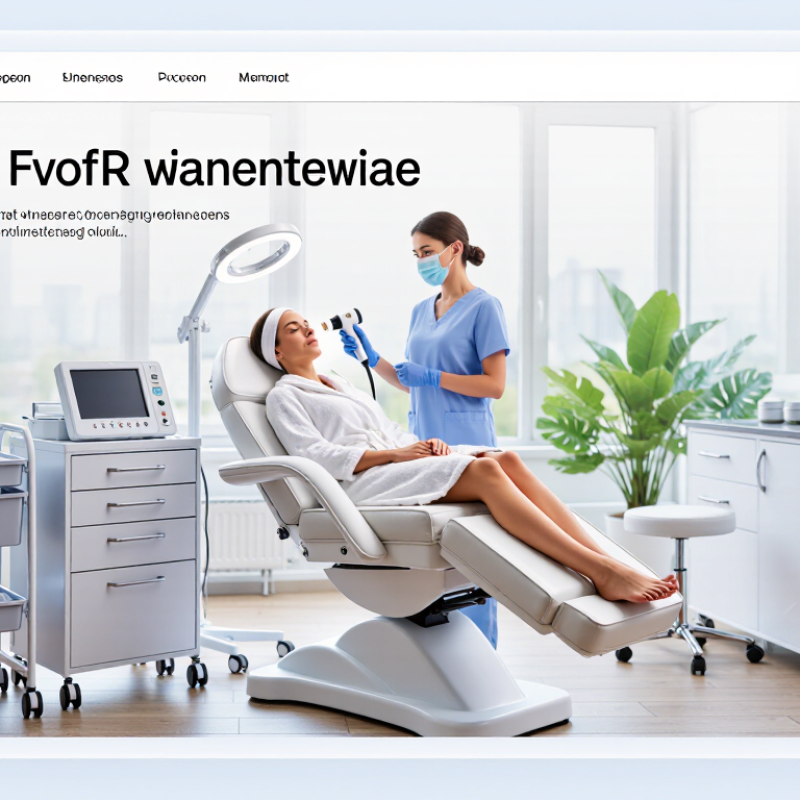
Top Reasons Why Non Invasive Facial Treatments Are Popular

What Non-Invasive Facial Treatments Are and How They Work

Non-invasive facial treatments improve the skin without surgical cuts or implanted devices. They work in different ways: some remove dead surface cells, while others use light, heat, or gentle electrical currents to affect skin activity. The treatment chosen should match the person’s skin, concerns, and health history. “Non-invasive” does not mean risk-free.

A light chemical exfoliation can loosen dull surface cells, leaving skin temporarily smoother. LED light uses specific wavelengths; its effects depend on the device and treatment plan, and results are not instant. Radiofrequency devices deliver controlled heat to deeper tissue, which may encourage collagen remodeling over time. It can feel warm. Ultrasound treatments also use energy beneath the surface, though comfort and outcomes vary.

A qualified provider should explain what a treatment can realistically do, what evidence supports it, and what side effects to expect. Mild redness or tenderness may occur; burns, irritation, or pigment changes are possible with some procedures. A brief consultation matters, especially for sensitive skin, recent skin treatments, or medical conditions. Ask how the device is selected and who will perform the procedure. Skin may look unchanged at first. That can be frustrating, and promises of dramatic, guaranteed results deserve careful questioning.

The Main Reasons People Choose Non-Invasive Facial Treatments

Many people choose non-invasive facial treatments because they can fit around work, family, and daily routines. Depending on the procedure, an appointment may take less time than a full afternoon, with little or no planned recovery. Convenience matters. Some people return to errands soon after, though temporary redness or sensitivity can still occur.

Gradual, subtle changes appeal to people who want to refresh their appearance without surgery. A treatment might focus on skin texture, dryness, or fine lines, rather than changing facial features. Results vary with the method, the person’s skin, and their expectations. A brighter complexion in a photograph is not proof that a treatment will work the same way for everyone.

Choice should involve more than convenience. A qualified provider can explain likely benefits, discomfort, possible side effects, and how many sessions may be needed. Ask what the treatment can realistically address, and share relevant skin concerns or medical history. Some options may not suit every person. That can be frustrating. It is also a reason to pause before booking, especially when promised results sound immediate or guaranteed.

Popular Treatment Types and Their Cosmetic Uses

Popular Treatment Types and Their Cosmetic Uses

Non-invasive facial treatments offer different ways to address visible skin concerns without surgery. A superficial chemical peel loosens dull surface cells and may soften uneven tone. Microdermabrasion gently exfoliates, often leaving rough skin feeling smoother. Results vary. Skin can look temporarily red or feel dry afterward.

Light-based treatments may target redness, sun spots, or unwanted hair, depending on the device and settings. Radiofrequency and focused ultrasound deliver energy beneath the skin’s surface to encourage gradual firmness. LED treatments are commonly used to support acne care or calm irritation, though outcomes can be subtle.

The menu can feel confusing. A qualified clinician can assess skin type, medical history, and realistic goals before recommending an option. No treatment suits everyone, and even gentle procedures can cause side effects.

Tips: Ask what changes are realistic, how many sessions may be needed, and what recovery looks like. Share medications and past skin reactions. Avoid choosing a procedure based only on a dramatic before-and-after photo; lighting can mislead.

Convenience, Cost, and Recovery Compared With Surgery

Convenience is a major reason people consider non-invasive facial treatments. Many appointments take less time than surgery and fit around work or family schedules. Some treatments need little downtime, but “non-invasive” does not mean recovery-free. Redness, swelling, tenderness, or bruising may affect the next few days. Plan around your actual calendar, not an ideal one.

The American Society of Plastic Surgeons’ 2023 procedural statistics recorded 25.4 million minimally invasive cosmetic procedures in the United States, 7% more than in 2022. This broad category includes treatments beyond the face, so it is not a facial-treatment count. Still, it signals growing interest in less invasive options. Their initial cost is often lower than surgery, but repeat visits can add up. A useful comparison includes maintenance, not just the first bill. Results and recovery vary by treatment and person. A qualified clinician can explain likely costs, risks, and downtime for your specific goals. The comparison is not perfectly neat: some people prefer one larger recovery period, while others find repeated short appointments harder to manage. That detail matters.

Top Reasons Why Non-Invasive Facial Treatments Are Popular — Convenience, Cost, and Recovery Compared With Surgery
Comparison Non-Invasive Treatments
(for example, superficial peels or some light-based treatments)
Minimally Invasive Treatments
(for example, injectables or some laser procedures)
Facial Surgery
(for example, a facelift)
Typical purpose May improve the appearance of mild discoloration, texture, or early signs of aging. Results depend on the treatment and skin concern. May soften certain lines, restore volume, or address selected skin concerns. These procedures involve needles or devices that affect the skin. Can address more pronounced facial skin laxity and structural aging changes. A consultation is needed to determine suitability and expected results.
Typical treatment time Often about 15–60 minutes, depending on the procedure and preparation. Often about 15–60 minutes, though numbing, treatment area, and procedure type can add time. Usually several hours for the operation, with additional time for preparation and post-anesthesia monitoring.
Typical recovery Many treatments have little to no planned downtime. Temporary redness, dryness, or sensitivity can occur; stronger peels may require more healing time. Downtime ranges from minimal to several days or longer. Bruising, swelling, tenderness, or temporary skin changes may occur. Recovery is measured in weeks rather than hours. Swelling and bruising are common early on, and activity restrictions are set by the surgeon.
Indicative U.S. out-of-pocket cost Often roughly $100–$1,000 per session, depending on the procedure, treatment area, and location. Often roughly $300–$2,000 or more per session. Injectable pricing may be based on units or syringes, and laser costs vary widely. A facelift commonly costs several thousand to tens of thousands of dollars. The total may include surgeon, anesthesia, and facility fees.
How long results may last Varies considerably by treatment and skincare routine. Some options require a series of sessions or maintenance. Varies by procedure and individual factors. Some injectable results are temporary and need repeat treatment. Results can last for years, but surgery does not stop the natural aging process and outcomes vary between individuals.
Convenience considerations Often easier to schedule around work or daily activities, although multiple sessions may be recommended. Usually performed without general anesthesia, but appointments, aftercare, and repeat treatments may be needed. Requires surgical planning, anesthesia arrangements, recovery support, and time away from some regular activities.
Important risks and limitations Possible effects include irritation, pigment changes, or burns, depending on the procedure and skin type. “Non-invasive” does not mean risk-free. Risks include bruising, infection, and other procedure-specific complications. Rare serious complications are possible with some injectables. Risks include bleeding, infection, scarring, anesthesia complications, and an unsatisfactory result. Individual risk depends on health and procedure.
Why people may choose it Lower commitment, typically shorter appointments, and less recovery time can appeal to people seeking gradual or modest changes. Can offer more targeted changes without the recovery period associated with major surgery, though results and duration vary. May be considered when a person seeks a more substantial change that non-surgical treatments are unlikely to provide.
Notes: These are broad, indicative U.S. ranges, not quotes or guarantees. Actual costs, recovery, results, and risks vary by treatment, provider, location, and individual health. “Non-invasive” procedures do not penetrate the skin; injectables are minimally invasive. Consult a qualified, appropriately licensed medical professional for personalized advice.

Safety, Limitations, and Factors to Consider Before Treatment

Non-invasive facial treatments attract people who want visible skin care without surgery or a long recovery. “Non-invasive” does not mean risk-free. Depending on the method, skin may feel warm, look red, or become temporarily irritated. Some effects are subtle. Others take time.

Safety depends on the treatment and the person providing it. Ask about the practitioner’s training, the device or technique used, and common side effects. Share relevant skin conditions, allergies, medications, and past reactions before booking. A careful consultation should include time for questions, not just a quick sales pitch. That matters.

Limits deserve equal attention. Results vary with skin type, treatment settings, and individual response; one session may not do much. Some methods need repeated visits, while others may not suit sensitive or inflamed skin. Ask what improvement is realistic, how long it may last, and what follow-up care involves. A patch test may be appropriate for certain treatments, but it is not a guarantee. If the explanation feels rushed or promises sound absolute, pause and seek another qualified opinion. It is easy to focus on before-and-after photos and overlook the less dramatic details.

FAQS

What does “non-invasive” mean for facial treatments?

These treatments improve skin without surgical cuts or implanted devices. Non-invasive does not mean risk-free.

What kinds of treatments are commonly used?

Light exfoliation loosens dull surface cells. LED uses specific wavelengths, while radiofrequency and ultrasound deliver energy beneath the skin.

What skin concerns might these treatments address?

Depending on the method, they may target texture, dryness, or fine lines. They generally aim for subtle changes, not altered facial features.

When might I see results?

Results depend on the treatment and your skin. Changes may develop gradually, and your skin may look unchanged at first. Not always satisfying.

Are side effects possible?

Mild redness or tenderness can occur. Some procedures may also cause burns, irritation, or pigment changes.

How much recovery time should I plan for?

Some appointments involve little downtime, but redness, swelling, tenderness, or bruising may affect the next few days. Check your calendar.

How do I know if a treatment suits me?

Discuss your skin concerns, health history, and recent treatments with a qualified provider. Some options may not suit every person.

How should I compare treatment costs with surgery?

A first appointment may cost less than surgery, but repeat visits can add up. Include maintenance, recovery, and likely results in your comparison. The trade-off is not always tidy.

Conclusion

Non-invasive facial treatments use techniques such as light, energy, cooling, or topical products to improve the skin’s appearance without surgery. Depending on the method, they may help address concerns such as fine lines, uneven tone, mild laxity, or unwanted facial hair. People often choose them for their potential to offer visible cosmetic benefits with less disruption to daily life. This helps explain why are non invasive facial treatments becoming popular: many options involve shorter appointments, little or no downtime, and a lower upfront cost than surgical procedures.

Popular choices vary in how they work and what they can achieve, so results and recovery times differ. These treatments are not suitable for everyone, and they may offer more modest or temporary changes than surgery. Before proceeding, people should consider their goals, skin type, health history, possible side effects, total costs, and the experience of the provider. A careful consultation can help set realistic expectations and determine whether a non-invasive approach is appropriate.

Aria

Aria

Aria is a dedicated marketing professional with a deep passion for innovative strategies and a keen understanding of our company's product offerings. With a wealth of experience in the industry, Aria excels at crafting engaging content that highlights the unique features and benefits of our......