When investing in professional facial machines, understanding their longevity is crucial. Many beauty professionals wonder, "what is the lifespan of a professional facial machine?" This knowledge helps in planning budgets and maintaining equipment. Various machines, from microdermabrasion devices to LED therapy units, differ in durability and usage frequency.
Typically, the lifespan of these machines can range from a few years to over a decade. Factors such as maintenance, intensity of use, and brand quality play significant roles. Relying on cheap machines may lead to more frequent replacements. Investing in higher-quality models often yields better long-term benefits.
However, some machines may fall short of expectations, leading to unforeseen expenses. Reflections on personal experiences can guide better choices. Understanding these nuances helps professionals make informed decisions, ensuring they select the best machines for their practices while optimizing their investment.
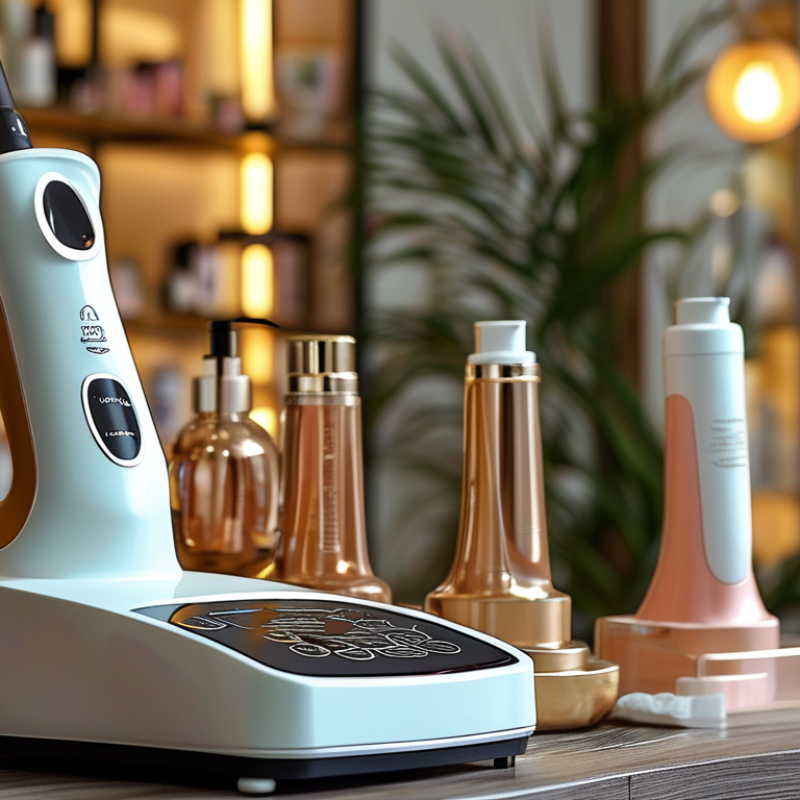
The lifespan of professional facial machines varies significantly. Many reports suggest a typical range of 3 to 10 years. Various factors influence this span, including build quality, usage frequency, and maintenance practices. A 2021 industry study highlighted that machines with superior components tended to last longer, often exceeding five years of optimal performance.
Regular maintenance is crucial. Professionals recommend routine inspections to identify issues early. Neglect can lead to premature breakdowns. According to a survey by the Skin Care Association, 30% of practitioners reported decreased efficiency due to poor upkeep. Proper care can directly extend a machine's lifespan and ensure consistent results for clients.
Another factor is technology advancements. As new features emerge, older machines may become obsolete. This transition can prompt providers to replace them long before they fail. Balancing innovation with practical service life is essential for successful operations. Investing in training for staff can significantly enhance equipment longevity.
The longevity of professional facial machines greatly depends on several factors. Regular maintenance is critical. Equipment should be cleaned and serviced as per the manufacturer's guidelines. Studies indicate that machines with consistent upkeep can last 30% longer than those neglected.
Another significant factor is usage frequency. Machines used multiple times daily wear down faster. For instance, reports show that a machine used ten times a day may need replacement within five years, whereas less frequent use can extend life by several years.
Quality of materials also plays a role. Machines made with high-grade components tend to last longer, which is a crucial consideration for professionals. However, even the best machines can encounter issues. Regularly assessing equipment condition is vital. Professionals should adapt to fluctuating demand and usage patterns, which can impact machine longevity.
Maintaining professional facial machines is crucial for their longevity and performance. Regular cleaning is essential. After each use, wipe down surfaces to prevent buildup. Pay special attention to areas where products may accumulate. This simple act can extend the machine’s lifespan significantly.
Another key maintenance tip involves proper storage. When not in use, store machines in a cool, dry place. Avoid exposure to direct sunlight, which can damage components. Regularly check the cords and connectors for any signs of wear. Repairing small issues early can prevent larger problems later.
Regular inspections are important too. Look for any operational irregularities. If a machine is vibrating more than usual, it may need servicing. Listening to your machine can provide insights into its health. Be proactive by scheduling routine professional maintenance. These steps can help you enjoy reliable performance for years to come.
Facial machines are essential tools in professional skincare, but they can encounter common issues. Understanding these problems helps prolong their lifespan. According to a study by the International Society of Aesthetic Plastic Surgery, 67% of practitioners experienced equipment malfunctions due to improper maintenance. Regular checks and cleaning protocols are crucial. For instance, frequent calibration of ultrasonic devices prevents inaccuracies and enhances their effectiveness.
Among the most frequent issues are electrical faults and software glitches. A report from the Journal of Dermatological Treatment highlights that 30% of facial machine failures stem from outdated software. Regular software updates can mitigate this risk. Additionally, using compatible parts enhances reliability. Many professionals overlook the importance of proper storage. Extreme temperatures can damage sensitive components, resulting in costly repairs.
Users often neglect user manuals or fail to follow manufacturer instructions. This oversight can lead to user-induced errors, impacting machine performance. To combat this, staff training on equipment usage becomes vital. Creating a culture of care surrounding facial machines can significantly reduce operational challenges. Budgeting for repairs and maintenance is also a proactive approach to minimizing downtime and maximizing efficiency.
When considering the lifespan of facial machines, several factors come into play. The design, materials, and technology all influence durability. Most high-quality machines can last anywhere from five to ten years with proper care. However, this can vary significantly between brands. Some machines may show wear and tear after just a few years.
In the competitive market of facial machines, brand reputation often ties to durability. Certain brands are known for longevity due to rigorous testing and high-quality components. Conversely, others may cut corners in production, leading to shorter lifespans. Even within the same brand, different models can exhibit varying durability. Users frequently report different experiences based on how often they use their machines and the techniques employed.
It's important to consider maintenance. Regular cleaning and following guidelines can enhance longevity. Some users find that neglecting these aspects results in decreased performance over time. Each facial machine has its nuances, and understanding these can lead to better usage. This reinforces the value of research before making a purchase. Balancing quality with budget concerns can also lead to hard choices.
: The lifespan typically ranges from 3 to 10 years. Factors like build quality influence this span.
Regular maintenance can extend the machine's lifespan. It helps identify issues early and ensures consistent performance.
Clean machines after each use. Store them in a cool, dry place away from direct sunlight.
Unusual vibrations or operational irregularities suggest the machine may need attention.
Technological advancements can make older machines outdated, prompting earlier replacements.
Proper training can enhance equipment longevity. Well-trained staff maintain machines better, leading to improved performance.
Yes, neglect can result in premature breakdowns and decreased efficiency for practitioners.
Repairing small issues early can prevent larger problems. Regular checks are essential.
Proper storage prevents damage. Machines should be kept in a cool, dry environment.
Yes, they are crucial for detecting issues early. Scheduling regular maintenance can help ensure reliability.
When considering "what is the lifespan of a professional facial machine," it's essential to understand various factors that influence longevity. Professional facial machines can last several years, but their lifespan can be affected by usage frequency, quality of materials, and technological advancements. Regular maintenance, such as cleaning and routine checks, is crucial for extending the operational life of these devices.
Additionally, awareness of common issues, such as malfunctioning parts or electrical failures, allows users to troubleshoot effectively. By comparing the longevity of different brands and models, professionals can make informed choices to ensure that their equipment remains reliable and effective for their clients. Overall, understanding care practices and addressing problems promptly can significantly enhance the durability of facial machines.

Biology Skincare