How to Increase Salon Revenue with Facial Machines?

Time:2026-10-03 Author:Amelia
0%

Facial machines can turn a quiet treatment room into a stronger revenue channel. However, equipment alone will not fill your appointment book. Your team needs a clear service plan, realistic pricing, and consistent client education.

Dr. Howard Murad, dermatologist and founder of Murad, said, “Skin is a reflection of your overall health.” This principle supports a more responsible approach to machine-based treatments. A consultation should connect visible concerns with suitable services, home care, and professional guidance. For example, a client with dull skin might receive a gentle exfoliation treatment, followed by hydration advice and a scheduled review. The machine becomes part of a care journey, not a dramatic sales prop.

This is the practical foundation of how to increase salon revenue with facial machines. Start with treatments your staff can perform confidently and explain clearly. Track consultation-to-booking rates, repeat visits, product sales, and treatment time. A simple spreadsheet can reveal which services actually produce profit. Beautiful technology does not guarantee results.

Be careful with big promises.

Some salons may overestimate demand, ignore maintenance costs, or copy competitors’ prices. That can create expensive equipment with weak returns. A better plan tests one signature facial, gathers client feedback, and improves the experience gradually. Clean rooms, visible hygiene procedures, comfortable lighting, and precise aftercare instructions also affect perceived value.

Revenue grows when clients trust the process. Not merely the device. Your results should remain measurable, ethical, and aligned with local professional requirements.
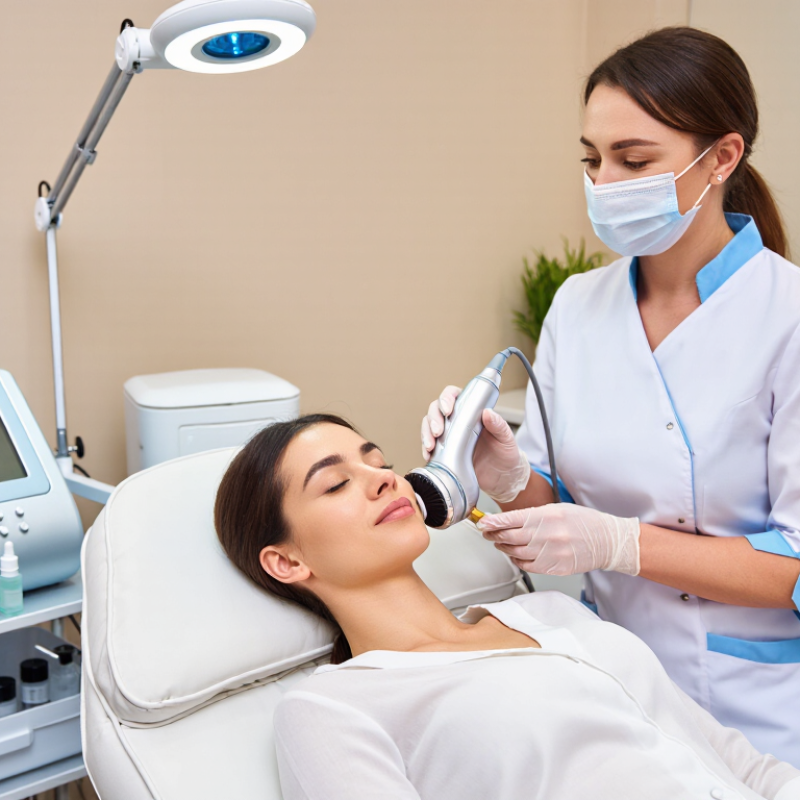
How to Increase Salon Revenue with Facial Machines?

Measure Revenue Potential: The ISPA Reports $21.3B in U.S. Spa Revenue

How to Increase Salon Revenue with Facial Machines?

The International Spa Association reports $21.3 billion in U.S. spa revenue. This figure shows strong demand, but it does not guarantee profit for every salon. Owners should measure local potential before purchasing facial equipment. Review monthly clients, average service prices, treatment time, and repeat bookings. Then estimate realistic machine use during quiet hours. For example, four additional treatments weekly can create meaningful revenue without overcrowding the schedule. Small numbers matter.

A facial machine can support customized services, such as hydration, cleansing, or gentle exfoliation. Staff must receive proper training and follow sanitation procedures. Local regulations may also define which treatments employees can provide. Track equipment costs, consumables, maintenance, and treatment cancellations. An honest calculation includes these expenses. My first forecast would probably seem too optimistic if it ignored staff fatigue and slower appointment days. Revenue grows through consistent service quality, not attractive equipment alone.

Tips: Start with one clearly priced facial package. Record bookings for eight weeks. Compare new clients with returning clients. Ask for written feedback after each treatment. Use real salon data instead of industry averages. A simple spreadsheet can reveal whether the machine earns money or merely occupies valuable space. Leave room for mistakes. Forecasts should be adjusted when demand changes.

Identify High-Demand Treatments Using the Global Wellness Institute’s $6.3T Market

The Global Wellness Institute reports a $6.3 trillion global wellness economy. That figure signals broad consumer interest in prevention, relaxation, appearance, and daily self-care. But it includes many sectors, not facial services alone. Important distinction. Salon owners should treat it as a market clue, not guaranteed revenue. Study local bookings, search queries, consultation notes, and repeat-visit requests. Demand leaves clues.

For facial-machine planning, listen to concerns clients describe in ordinary language. They may mention dull skin before an event, dryness after travel, or uneven texture. Translate those needs into clear, non-medical treatments. A gentle cleansing and hydration session may suit first-time visitors. Controlled exfoliation or light-based services may fit returning clients, where permitted by local rules. Staff need proper training, client consent, and documented contraindication checks. Avoid promising cures. Results vary.

Track every service for six weeks. Measure booking rates, treatment time, consumable costs, rebooking, and client feedback. A machine can look impressive yet weaken margins if setup takes twenty minutes. I have seen salons overbuy equipment after one busy month. That decision deserves scrutiny. Start with one versatile device, follow safety instructions, disinfect contact surfaces, and provide written aftercare. Review complaints and cancellations, not only sales.

Choose Facial Machines by ROI, Treatment Price, Utilization, and Payback Period

How to Increase Salon Revenue with Facial Machines?

A facial machine should earn its place in your treatment room. Start with measurable ROI, not attractive specifications. The Global Wellness Institute reported that the global wellness economy reached $6.3 trillion in 2023. Meanwhile, the ISAPS International Survey on Aesthetic/Cosmetic Procedures 2023 recorded about 19.1 million non-surgical procedures worldwide. Demand exists, but demand alone does not guarantee profit.

Calculate revenue per treatment carefully. If a session costs $80, variable expenses consume $20, and the machine adds $15 in labor, the contribution is $45. At 45 sessions monthly, it produces $2,025 before fixed overhead. A $9,000 machine would need about five months for simple payback. That estimate is imperfect. Repairs, training, empty appointments, and discounts can extend it quickly.

Utilization matters more than peak pricing. A $150 treatment booked twice weekly may underperform a $75 service booked twice daily. Track occupied treatment hours, rebooking rates, consumable costs, and cancellations for at least eight weeks. Zenoti’s 2024 Beauty and Wellness Benchmark Report emphasizes utilization, retention, and rebooking as major performance indicators. Use those measures together.

Do not promise guaranteed results. Select equipment supported by training, documented safety procedures, and claims suitable for local regulations. Test one treatment menu before expanding. My first forecast was too optimistic because I ignored setup time. That mistake was expensive. A realistic payback model should include staff education, maintenance, payment fees, and quiet-season utilization.

How to Increase Salon Revenue with Facial Machines?

Compare facial machines by treatment price, monthly utilization, net contribution, and payback period.

The benchmark uses generic salon planning assumptions. Net monthly contribution is estimated after treatment labor, consumables, and allocated operating overhead. Higher utilization and stronger treatment pricing generally shorten the payback period, but actual results vary by location, staffing, service mix, and client demand.

Build Data-Based Packages to Increase the ISPA’s Reported 185M Annual Visits

How to Increase Salon Revenue with Facial Machines?

ISPA’s reported 185 million annual visits show a large opportunity for salons. More visits do not automatically create higher revenue. Facial machines can help when packages match real client needs, treatment time, and measurable outcomes. Track consultation-to-booking rates, average ticket value, rebooking rates, and machine utilization each month. These figures reveal which packages perform beyond personal opinions.

Create three clear options, such as hydration, texture support, and maintenance care. Each package should include a defined number of visits, treatment duration, and suitable machine settings. Explain expected results honestly, without promising medical or permanent changes.

Review skin history, sensitivities, and contraindications before treatment. Staff training matters. So does consistent documentation. A simple progress photo, taken with consent and consistent lighting, can make improvement easier to discuss.

Tips: Test one package for four weeks. Compare bookings, cancellations, retail attachment, and repeat visits. Keep the strongest offer, but question the rest. Our first package may look attractive yet underperform because the appointment takes too long. That is useful evidence, not failure. Adjust pricing only after reviewing labor, consumables, equipment time, and client feedback. Leave space for professional judgment; data guides the package, but it cannot replace a careful consultation.

Track Machine Profitability Through Bookings, Revenue per Visit, and Retention

A facial machine earns money only when its performance is measured after every appointment.

Track machine-specific bookings weekly, including treatment type, duration, price, and staff member.

ISPA’s 2024 U.S. Spa Industry Study reported $21.3 billion in spa revenue across 176 million visits.

That equals approximately $121 per visit. Compare your machine treatment against this benchmark, but treat it as context, not a target.

Revenue per visit should include upgrades, retail products, and repeat-treatment deposits.

Subtract technician wages, consumables, maintenance, payment fees, and unused room time.

A $150 facial may produce less profit than a $110 treatment with faster turnover.

My first dashboard looked impressive because it counted sales. It ignored downtime. That was a costly mistake.

Retention reveals whether the machine creates lasting value.

Record each guest’s next booking, 30-day return, and treatment frequency.

Zenoti’s 2024 benchmark reporting emphasizes utilization, rebooking, and retention as practical performance indicators for beauty businesses.

A machine with strong bookings but weak returns may signal unrealistic promises or poor consultation.

Ask guests about comfort, visible results, and session length. Review complaints beside revenue figures.

Some numbers will disagree. Investigate before buying another device.

FAQS

How can a salon identify high-demand facial treatments?

Listen to clients’ ordinary concerns, such as dryness after travel or dull skin before an event. Review local bookings, searches, consultations, and repeat requests. Demand leaves clues. Do not treat global market figures as guaranteed local revenue.

What should a beginner-friendly facial treatment include?

A gentle cleansing and hydration session may suit first-time visitors. Explain each step clearly. Obtain consent and check contraindications before treatment. Results vary.

How long should a salon test a facial machine?

Track one machine for at least six to eight weeks. Record bookings, treatment time, consumables, rebooking, cancellations, and feedback. One busy month can mislead you. I would not expand from that alone.

How is treatment contribution calculated?

Subtract variable expenses and added labor from the treatment price. For example, an $80 session with $20 expenses and $15 labor contributes $45. At 45 monthly sessions, that equals $2,025 before fixed overhead. Simple math, incomplete reality.

How should equipment payback time be estimated?

Divide equipment cost by monthly contribution. A $9,000 device earning $2,025 monthly suggests about five months. Include training, repairs, maintenance, payment fees, discounts, and quiet-season bookings. Payback may stretch.

Is a high-priced facial always more profitable?

No. Utilization often matters more than peak pricing. A $150 service twice weekly may underperform a $75 service twice daily. Measure occupied treatment hours, setup time, and cancellations.

Which metrics show whether a facial machine is profitable?

Track machine-specific bookings, revenue per visit, treatment duration, wages, consumables, maintenance, and unused room time. Include upgrades and deposits. Sales alone can look impressive. Downtime changes the picture.

How can retention reveal treatment quality?

Record the next booking, 30-day return, and treatment frequency. Ask about comfort, visible changes, and session length. Strong bookings with weak returns may indicate poor consultation or unrealistic expectations. Review complaints beside revenue. Some numbers disagree. Investigate.

Conclusion

Increasing salon revenue with facial machines starts with measuring the opportunity and making decisions based on clear financial data. The article explains how to increase salon revenue with facial machines by evaluating market demand, selecting treatments that clients are most likely to book, and comparing each machine’s treatment price, expected utilization, return on investment, and payback period. This approach helps salon owners invest strategically rather than relying on trends or assumptions.

The article also recommends creating data-based treatment packages designed to encourage repeat visits and increase revenue per client. By monitoring bookings, revenue per visit, customer retention, operating costs, and machine usage, salons can identify which services deliver the strongest results. Regular performance reviews make it easier to adjust pricing, improve scheduling, refine packages, and focus marketing efforts on profitable treatments, supporting sustainable growth over time.

Amelia

Amelia

Amelia is a seasoned marketing professional with a wealth of expertise in our company’s core offerings. With an unwavering passion for driving growth and innovation, she plays a pivotal role in shaping our marketing strategies and enhancing brand visibility. A key aspect of her responsibilities......