Facial machines have gained popularity in skincare routines. Many people wonder how do facial machines improve skin appearance. These devices apply various technologies to enhance skin health. They promise to tackle issues like fine lines, wrinkles, and uneven texture.
These machines use techniques such as microdermabrasion, LED therapy, and ultrasound. Each method contributes uniquely. For instance, microdermabrasion gently exfoliates the skin, revealing a fresher layer. LED therapy, on the other hand, can reduce inflammation and promote healing.
However, it’s important to approach these treatments with caution. Not everyone's skin responds positively to these machines. Some users may experience irritation or allergic reactions. Consulting a skincare professional before use is wise. Understanding individual skin types and needs is crucial for achieving the best results.
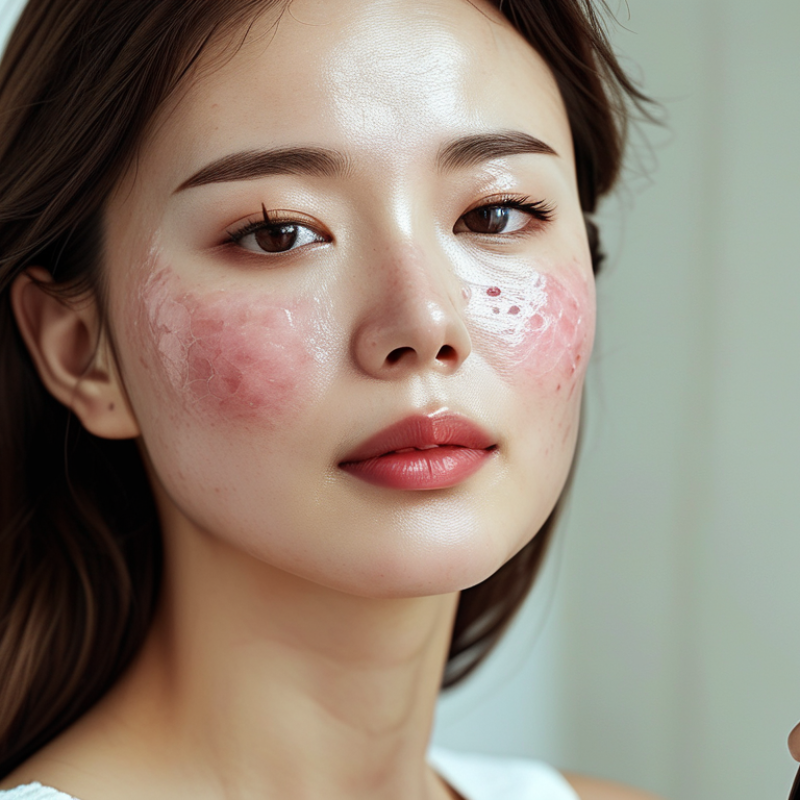
Facial machines play a significant role in transforming skin appearance. They utilize technology to address various skin concerns. Common technologies include microdermabrasion, LED therapy, and ultrasonic waves. Each method operates on unique principles, targeting specific skin issues. Microdermabrasion gently exfoliates the outer layer of skin, removing dead cells. This process promotes regeneration, revealing a smoother texture.
LED therapy employs different wavelengths of light to treat conditions like acne and aging. Blue light can kill bacteria, while red light stimulates collagen production. Ultrasonic waves enhance product absorption, allowing deeper penetration of skincare ingredients. These treatments often yield instant results, though individual experiences may vary.
Despite their benefits, there are considerations to keep in mind. Not all skin types respond the same way. Some users may experience irritation or discomfort post-treatment. It's crucial to consult with a skincare professional before beginning any machine-based treatment. Understanding personal skin needs can lead to better outcomes. Always be cautious of expectations; results may not be as dramatic as anticipated. Each skin is unique, and what works wonders for one may not suit another.
The bar chart illustrates the effect of facial machines on skin hydration and firmness levels over multiple treatment sessions. As the number of sessions increases, there is a noticeable improvement in both hydration and elasticity, indicating the efficiency of facial machines in enhancing skin appearance.
Facial machines have revolutionized skincare routines. Each type serves specific functions, designed to enhance skin health. Common types include LED therapy devices, microdermabrasion machines, and ultrasound units. According to a recent industry report, the global market for these machines is projected to reach $4.7 billion by 2025. This growth highlights their popularity among skincare professionals.
LED therapy machines offer various wavelengths to target specific skin issues. They can reduce acne, boost collagen, and improve skin tone. Microdermabrasion machines help exfoliate the skin, removing dead cells and promoting new growth. They can lead to smoother, brighter skin after just a few sessions. Ultrasound devices penetrate deep, stimulating tissues for rejuvenation. However, it’s important to note that not all skin types react positively to these treatments.
Despite their benefits, there can be drawbacks. Overuse of facial machines may lead to irritation or adverse reactions. Proper training and knowledge are essential for practitioners. A study indicates that 20% of users experience some discomfort. Patients need to consult with experts to understand the risks. Choosing the right machine for specific skin concerns is crucial for optimal results.
Facial machines are revolutionizing skin care with advanced technology. These devices utilize various techniques that stimulate skin renewal and hydration. According to recent industry reports, the global facial treatment market is projected to reach $30 billion by 2025. This growth is largely driven by the demand for non-invasive skin improvement methods.
The science behind these machines lies in their ability to deliver targeted treatments. Technologies like microcurrent and LED light therapy have shown promising results. For example, microcurrent devices can improve blood circulation and collagen production, leading to firmer skin. A study published in the Journal of Cosmetic Dermatology reveals that subjects experienced a 45% increase in skin elasticity after consistent use of microcurrent treatments.
However, achieving the desired results isn't always guaranteed. Individual skin types and conditions vary widely. While many users report noticeable improvements, others may find limited effects. Reflection on these differences is essential for anyone considering facial technology. Awareness of skin needs and possible limitations can lead to more effective routines. It's crucial to approach these high-tech solutions with realistic expectations.
| Technique | Skin Benefits | Duration of Treatment | Frequency of Use |
|---|---|---|---|
| Microdermabrasion | Removes dead skin cells, reduces fine lines | 30-60 minutes | Every 2-4 weeks |
| LED Light Therapy | Reduces inflammation, promotes healing | 20-30 minutes | 2-3 times a week |
| Ultrasound Therapy | Improves collagen production, enhances elasticity | 45-90 minutes | Monthly |
| Radiofrequency Treatment | Tightens skin, reduces wrinkles | 30-60 minutes | Every 6 months |
| Chemical Peels | Exfoliates, improves skin texture | 30-120 minutes | Every 3-6 weeks |
Facial machines have gained popularity among skincare enthusiasts. They offer a modern alternative to traditional methods. Many machines use advanced technology, such as microcurrent or LED light therapy. These methods can target specific skin concerns more efficiently. Traditional skincare often relies on creams and manual techniques. While effective, they may take longer to show results.
The effectiveness of facial machines is hard to ignore. They can penetrate deeper layers of the skin, promoting collagen production. This deeper action often leads to visible changes in texture and tone. However, there is still a learning curve. Misuse of these machines can lead to skin irritation. Users must understand how to operate them correctly. On the other hand, traditional methods may be more accessible and easier to incorporate into a daily routine.
Balancing both methods is essential for optimal skincare. While machines can enhance results, they are not a magic solution. Consistency in skincare is crucial. It involves understanding your skin type and needs. This can mean adjusting both machine use and traditional solutions. Ultimately, skincare is a personal journey that requires experimentation and reflection.
Facial machines have gained popularity for their potential to improve skin health. They offer various treatments like cleansing, exfoliation, and hydration. Many users report visible changes, such as smoother texture and reduced blemishes. However, the benefits come with certain risks.
Improper use of facial machines can lead to skin irritation. Over-exfoliating, for example, might cause redness or peeling. Not all skin types react the same way. Individuals with sensitive skin must approach these devices with caution. Consulting a skincare professional before use is highly recommended. This ensures the machine’s settings are appropriate for your skin.
Understanding your skin’s unique needs is crucial. Some users may experience breakouts after initial treatments. It may take time to see improvements. Regular usage may not be suitable for everyone. A personalized approach to skincare is always the best route. Experience and professional advice should guide your choices in using facial machines.
: Facial machines utilize techniques like microcurrent and LED light therapy for skin treatment.
Microcurrent devices improve blood circulation and collagen production, resulting in firmer skin.
Many users report smoother texture and reduced blemishes after consistent use of facial machines.
No, results vary by individual skin types and conditions. Some users may see limited effects.
Improper use can cause skin irritation, such as redness or peeling. Over-exfoliating is a common issue.
Yes, but with caution. Consultation with a skincare professional is advised for proper settings.
Yes, some users may experience breakouts after initial treatments as skin adjusts.
Not necessarily. It may take time to see improvements, and regular use may not suit everyone.
It's vital. Awareness of unique skin needs can lead to more effective and safe routines.
Personal experience and professional advice are essential for making informed choices.
Facial machines have emerged as innovative tools in the skincare industry, offering a modern approach to enhancing skin appearance. Understanding the mechanism of these devices reveals how they utilize various technologies, such as microcurrent, LED light therapy, and ultrasound, to stimulate collagen production, improve circulation, and promote cellular turnover. Different types of facial machines serve specific functions, making it essential to choose the right one for targeted skin concerns.
When exploring how facial machines improve skin appearance, the science behind their effectiveness can be seen in their ability to deliver deeper penetration of skincare ingredients and provide more consistent results compared to traditional methods. A comparative analysis highlights that while traditional skincare often relies solely on topical applications, facial machines offer a more comprehensive approach. However, it is crucial to be aware of potential benefits and risks, ensuring informed choices for healthy skin maintenance.

Biology Skincare