When considering skincare, many wonder what is the difference between home and professional facial machines. These devices are popular for their ability to enhance beauty routines. However, their features and effectiveness can vary greatly. Understanding these differences is crucial for making an informed choice.
Home facial machines are designed for daily use. They are often user-friendly and safe for self-application. These machines typically offer basic functions, like cleansing and hydration. However, their results may not be as dramatic as those achieved in professional settings. Limited power and technology can lead to less effective treatments.
On the other hand, professional facial machines offer advanced technology. They use higher-grade components and have stronger results. Treatments like microdermabrasion and LED therapy require licensed professionals for operation. This means enhanced results, but also an increased cost. Ultimately, the choice between home and professional options depends on individual needs and budget. Consider what works best for your skin and lifestyle.
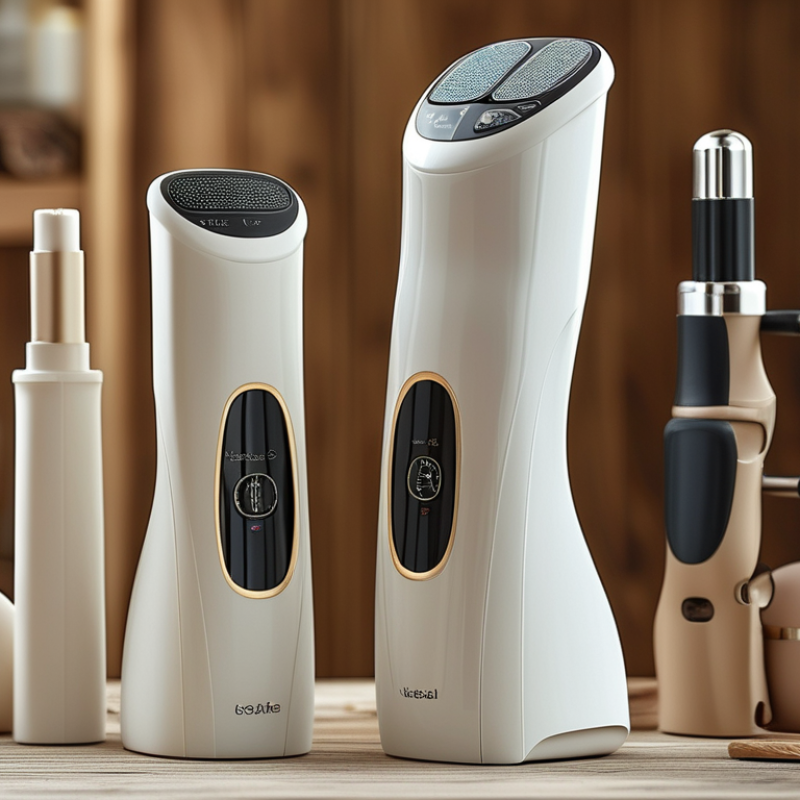
When considering facial machines, understanding the differences between home and professional variants is essential. Home facial machines are designed for everyday use. They focus on convenience and user-friendliness. Many models offer features like steam, LED lights, and sonic technology. These machines typically operate at lower intensity levels. According to the American Society for Dermatologic Surgery, over 50% of consumers seek at-home treatments to maintain skin health. However, these devices may lack the potency of professional machines.
Professional facial machines, often found in dermatology clinics and spas, are more powerful and sophisticated. They utilize advanced technologies such as microdermabrasion, IPL, and high-frequency treatments. Data from the International Spa Association shows that 78% of spa-goers prioritize their skin health. This reflects a growing trend toward seeking expert treatments. Professionals can customize treatments based on skin types and conditions. Still, access to these high-tech machines is limited to licensed practitioners. Users must also weigh the cost and potential discomfort against benefits. This balance can be tricky, as not every client achieves the desired results.
Choosing between home and professional options requires careful consideration. Users may find at-home machines useful for maintenance. Yet, for significant skin issues, turning to a professional remains the best course of action. This decision process invites an ongoing reflection on personal skincare routines and realistic expectations.
Home facial machines are designed for personal use, bringing spa-like treatments into the comfort of your home. These devices often have user-friendly features, making them accessible to everyone. Many machines focus on simple skin improvements, like hydration and cleansing. They promote convenience, allowing users to fit self-care into busy schedules.
Key features include lightweight designs and portability. Most home machines are compact, easily stored away when not in use. Many have adjustable settings, catering to different skin types. You can find options that provide gentle exfoliation or soothing massage functions. However, some users may struggle with understanding the device's functionality, leading to less effective treatments.
Furthermore, while many home devices are safe and easy to use, results can be unpredictable. Skin type, routine consistency, and even dietary factors play a role. Users should be cautious, taking time to learn the best practices for their specific needs. Balancing expectations with realistic outcomes is essential for an effective home facial routine.
Professional facial machines offer distinct advantages in skincare treatments that home devices often cannot match. These machines are designed with advanced technology. They provide deeper penetration of products and more effective treatment options. For instance, high-frequency devices can help reduce acne and improve skin production. Their ability to use settings tailored for various skin concerns enhances results.
In a professional setting, trained estheticians utilize these machines with expertise. Their knowledge ensures that each treatment is customized based on individual skin types. This professional approach can increase safety and efficacy. Home devices may simplify the process but often lack the power and functionality needed for significant results. Using professional machines, clients can experience noticeable improvements more quickly.
However, not everything is perfect. Some may find the initial cost of professional treatments high. Access may also be limited to locations with qualified practitioners. This situation may lead individuals to depend solely on home devices, which can hinder their skin’s progress. Determining the right balance between home care and professional treatments requires careful consideration and regular self-reflection.
| Feature | Home Facial Machines | Professional Facial Machines |
|---|---|---|
| Power and Performance | Lower wattage, suitable for personal use | Higher wattage, designed for intensive treatments |
| User Experience | Simplified controls, easy to operate | Complex controls, requires professional training |
| Versatility | Limited functions, focused on basic skincare | Multiple functions, can perform various advanced treatments |
| Treatment Results | Subtle improvements over time | Immediate and pronounced results |
| Cost | More affordable, lower initial investment | Higher cost, investment for professional practice |
| Maintenance | Less maintenance required | Regular maintenance essential for optimal performance |
When considering facial machines, safety and efficacy are paramount. Professional machines typically offer higher power settings and advanced technologies. For example, they can deliver deeper penetration of serums and exfoliants, which can enhance results. According to a report by the American Academy of Dermatology, the use of professional devices can boost collagen production significantly, aiding in anti-aging treatments.
Home facial machines, while convenient, offer lower intensity. These devices are designed for safe, daily use. A study in the Journal of Cosmetic Dermatology suggests that consumer-grade devices are effective for maintaining results but may not provide the same immediate effects as professional treatments. Users should also be cautious about overuse, as improper application can lead to skin irritation.
Tips: Always conduct a patch test with home devices to avoid reactions. Consult with a skincare professional for optimal use of any machine. Regular maintenance and proper hygiene are crucial for safe treatment.
When comparing the costs of home and professional facial machines, the differences are quite striking. Home machines typically range from $50 to $300. They are designed for casual users aiming for convenience and light treatment options. However, these devices often lack the power and depth of professional machines. The results can be less pronounced, leading some users to wonder about their efficacy.
On the other hand, professional facial machines can cost thousands of dollars. These machines boast advanced technology, providing deeper penetration of serums and stronger exfoliation. The treatment results are often more significant and noticeable. Yet, this price point may deter average consumers. Not everyone can justify such an investment, especially with mixed results sometimes reported from professional treatments.
It’s essential to reflect on personal needs. Some may find a home device sufficient, while others swear by professional treatments. The choice ultimately lies in weighing the benefits against the costs. Are you looking for quick, at-home solutions? Or are you willing to commit to higher expenses for more effective results? Each option has its pros and cons, which can vary based on individual skin types and treatment goals.
: Home machines are user-friendly, designed for daily use, while professional machines offer advanced technology for significant skin treatments.
Home machines maintain skin health but may lack the potency of professional variants for serious skin issues.
Professional machines provide deeper product penetration and better treatment options, leading to quicker and more noticeable improvements.
Yes, improper use of any device can cause skin irritation. Always follow guidelines and consult professionals when needed.
Consider your skin type, issues you want to address, and how much you’re willing to spend. Reflect on what works best for you.
Yes, relying solely on home devices may limit skin improvements. A balance between home care and professional treatments is important.
Conduct patch tests before using new devices, maintain hygiene, and follow usage instructions carefully to avoid adverse reactions.
Not necessarily. While they offer benefits, the high cost and limited access can make home treatments a more practical choice for some.
The article explores the question of "what is the difference between home and professional facial machines," highlighting their distinct characteristics and applications. Home facial machines are typically designed for personal use, offering convenient and user-friendly features that focus on basic skincare needs. They are generally more affordable and portable but may lack the advanced technologies found in their professional counterparts.
In contrast, professional facial machines are equipped with advanced functionalities and are often used in salons and clinics for specialized treatments. These devices can provide more substantial results due to their higher power and efficacy, as well as the expertise of trained professionals. The article also addresses important safety considerations, the efficacy of each type, and provides a cost comparison to help consumers make informed choices based on their skincare goals and budget.

Biology Skincare