How to Choose Popular Facial Treatments for Beauty Clinics?

Time:2026-10-08 Author:Ethan
0%

Choosing facial treatments should begin with evidence, not social-media hype. So, what are the most popular facial treatments in beauty clinics? Current industry data points to several strong categories, including chemical peels, laser resurfacing, microneedling, hydrafacials, and injectable treatments. The International Society of Aesthetic Plastic Surgery’s 2023 Global Survey recorded more than 9.2 million botulinum toxin procedures and over 5.5 million hyaluronic-acid procedures worldwide. These figures show demand, but they do not prove that every treatment suits every client.

Dermatologist Dr. Anjali Mahto has said, “There is no one-size-fits-all approach to skincare.” That principle should guide every clinic menu. A gentle hydrafacial may suit dull, dehydrated skin before an event. Microneedling may support acne-scar improvement, but it requires realistic expectations and proper aftercare. Chemical peels can brighten uneven tone, while lasers may target pigmentation, redness, or texture more precisely. Results depend on skin type, medical history, treatment settings, and practitioner skill.

The American Society for Dermatologic Surgery’s Consumer Survey also shows continued consumer interest in nonsurgical appearance treatments. However, popularity alone is a weak selection tool. Clinics should compare clinical evidence, downtime, safety protocols, practitioner credentials, and client reviews. Ask difficult questions. Some fashionable treatments remain poorly studied, and marketing language can sound more certain than the evidence. A trustworthy clinic explains benefits, limitations, possible irritation, and alternative options before recommending a procedure. That careful process creates better decisions than simply copying the most visible trend.
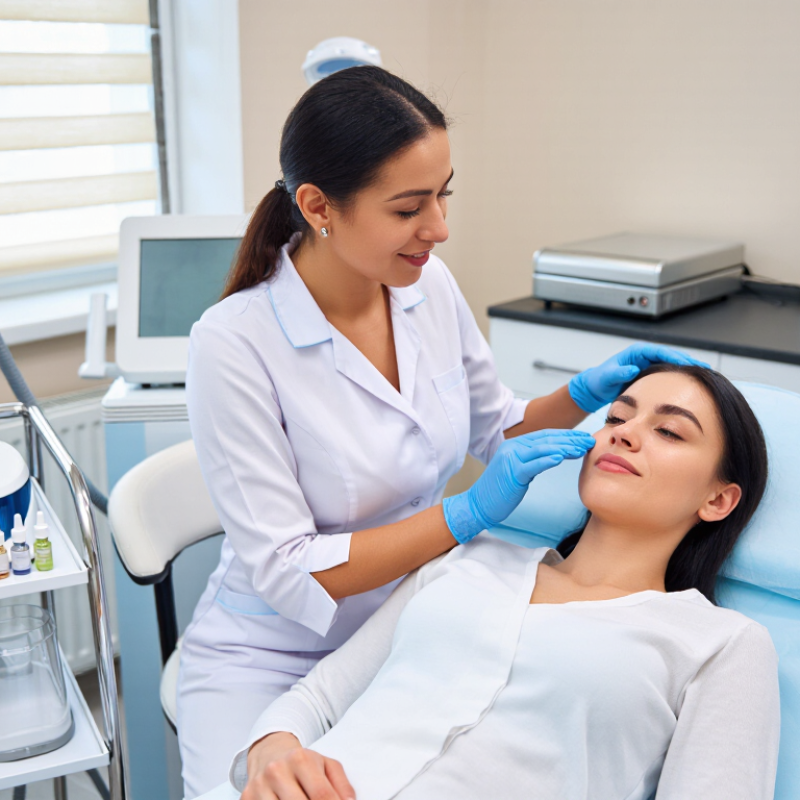
How to Choose Popular Facial Treatments for Beauty Clinics?

Understanding Client Needs and Facial Treatment Goals

How to Choose Popular Facial Treatments for Beauty Clinics?

Understanding client needs should guide every facial treatment decision. Popularity alone is not a reliable clinical reason. The 2023 ISAPS Global Survey reported 19.1 million nonsurgical aesthetic procedures worldwide. Botulinum toxin and hyaluronic acid treatments ranked among the most requested options. However, demand does not prove suitability for every client.

Begin with a focused consultation. Ask whether the client wants hydration, clearer texture, softer lines, reduced pigmentation, or improved facial contours. Examine skin sensitivity, medication use, previous procedures, allergies, and realistic downtime. A client preparing for a wedding may prefer gentle hydration with minimal redness. Another client may accept several recovery days for stronger resurfacing. Treatment plans should match measurable goals, not vague promises.

The American Society for Dermatologic Surgery reported in its 2023 consumer survey that many people remain concerned about skin aging and appearance. This supports continued demand, but it also demands careful education. Explain expected results, limitations, maintenance, and possible adverse reactions in plain language. Use qualified practitioners, documented consent, and evidence-based protocols. A patch test or conservative first session can improve safety for sensitive skin. Clinics sometimes overvalue trending treatments. I have seen how a beautiful result can still disappoint when the client wanted comfort, not dramatic change. That gap deserves reflection.

Evaluating Popular Facial Treatments for Different Skin Types

Choosing popular facial treatments requires more than following online trends. Skin type, sensitivity, current conditions, and treatment history should guide the decision. A trained therapist should inspect oil levels, dehydration, redness, texture, and active breakouts before recommending care.

For oily or congested skin, gentle cleansing, controlled exfoliation, and mild salicylic treatments may help reduce blocked pores. Sensitive skin usually needs calming hydration, fragrance-free products, and lower treatment intensity. Dry skin often responds better to moisture-focused facials with barrier-supporting ingredients. Uneven tone may improve with carefully selected superficial peels, but sun protection remains essential. Treat it gently.

Mature skin can benefit from hydration, LED therapy, or professional collagen-supporting procedures. Microneedling may improve fine lines and texture, yet it requires proper assessment, sterile equipment, and realistic expectations. Clinics should explain possible redness, peeling, or temporary sensitivity before treatment. Patch testing can reduce avoidable reactions, although it cannot predict every response.

Popular does not mean suitable. A clinic should record medical history, allergies, medications, and previous reactions. Active infections, open wounds, or severe inflammation may require postponement and medical advice. Results also depend on aftercare, not only the appointment itself. Even experienced professionals can misjudge a skin response, so follow-up and honest review matter. A flexible treatment plan is safer than a fixed menu.

Comparing Treatment Benefits, Risks, Costs, and Recovery Times

Choosing a facial treatment should begin with benefits, risks, cost, and recovery time—not popularity alone. The International Society of Aesthetic Plastic Surgery reported 19.1 million nonsurgical procedures worldwide in 2023. Botulinum toxin and hyaluronic acid fillers remained major categories. Popularity suggests demand, not suitability.

Botulinum toxin may soften expression lines, with visible results developing over several days. Temporary bruising, headache, or eyelid heaviness can occur. Recovery is usually brief, but results often last about three to four months.

Hyaluronic acid fillers can restore volume around the cheeks or lips. Risks include swelling, asymmetry, infection, and, rarely, serious vascular complications. The American Society of Plastic Surgeons recorded average 2023 physician fees of about $715 for injectable fillers and $435 for botulinum toxin. These figures exclude consultation, facility, and follow-up charges.

Chemical peels and laser resurfacing may improve uneven tone, texture, or sun damage. Recovery ranges from a few days for superficial peels to several weeks after deeper resurfacing. Skin type, treatment strength, and aftercare change the risk of prolonged redness or pigmentation. The ASPS reported an average physician fee of approximately $644 for chemical peels and $1,829 for laser skin resurfacing in 2023. Prices vary considerably by location.

I would not choose a procedure from a price list alone. A qualified clinician should review medical history, medications, skin sensitivity, expected downtime, and realistic outcomes. Even professional guidance has limits; individual healing can be unpredictable.

Checking Equipment, Products, Safety Standards, and Staff Expertise

How to Choose Popular Facial Treatments for Beauty Clinics?

Popularity should never replace clinical judgment. The 2023 ISAPS International Survey reported approximately 19.1 million nonsurgical procedures worldwide. That demand makes equipment selection important, but impressive screens do not guarantee safe results. Check whether each device has recognized regulatory clearance in your market. Review maintenance records, treatment limits, emergency functions, and operator instructions. Ask for calibration evidence, not promises.

Products deserve the same scrutiny. Examine ingredient lists, batch records, expiry dates, storage temperatures, and documented adverse reactions. A reliable clinic records the client’s skin history, allergies, medications, and previous treatments. The Global Aesthetic Survey report from 2023 also showed strong demand for injectable and energy-based procedures, increasing the need for consistent protocols. Popular does not mean suitable.

Staff expertise is visible in small actions. A qualified practitioner explains realistic outcomes, obtains informed consent, and photographs the skin under even lighting. They should know when to postpone treatment or refer a client to a medical professional. Training certificates help, but supervised experience matters more. Ask how complications are managed.

Do not overlook hygiene. The room should have sealed consumables, clean surfaces, hand hygiene supplies, and clear waste procedures. I would also test the consultation process as a client. If staff rush questions, the clinic may be optimizing sales instead of safety. That is an uncomfortable warning, but it matters. Reports provide useful direction; they cannot replace local regulations, professional assessment, or careful human judgment.

How to Choose Popular Facial Treatments for Beauty Clinics? — Checking Equipment, Products, Safety Standards, and Staff Expertise
Treatment Type Common Client Goals Core Equipment Requirements Product Requirements Typical Session Time Typical Downtime Key Safety Standards and Controls Recommended Staff Expertise Typical Risk Level Clinic Selection Notes
Hydrodermabrasion Surface cleansing, temporary hydration, gentle exfoliation, and improved skin smoothness. Professional water-based exfoliation device with controlled suction, clean fluid pathways, adjustable pressure, and disposable or properly reprocessed contact components. Single-use or hygienically dispensed cleansers, exfoliating solutions, moisturising serums, and products suitable for the client’s skin condition. 30–60 minutes Usually none Use approved skin-contact materials; control suction; avoid treatment over active infection, open wounds, or severe inflammatory lesions; follow cleaning and disinfection procedures. Documented facial-treatment training, skin assessment skills, infection-control training, and supervised device instruction. Low A practical entry-level service when the clinic can maintain strict fluid hygiene and avoid over-treatment of sensitive skin.
LED Photobiomodulation Supportive care for mild acne, redness, and general skin rejuvenation; results depend on wavelength, dose, and treatment consistency. Professional LED panel or mask with documented wavelength output, treatment timer, irradiance information, eye protection, and electrical safety controls. Clean, non-photosensitising products selected for the client’s condition; avoid unnecessary products that may increase light sensitivity. 20–40 minutes Usually none Protect the eyes; screen for photosensitivity, light-triggered disorders, and medicines that increase light sensitivity; inspect equipment and cables routinely. LED treatment training, basic dermatological screening, contraindication assessment, and equipment operating competency. Low Choose equipment with measurable specifications and clear operating instructions rather than relying only on marketing claims.
Superficial Chemical Peel Improved skin texture, mild uneven pigmentation, selected forms of acne, and superficial fine lines. Non-electrical treatment setup, accurate measuring tools, timer, ventilation where required, protective eyewear, neutralising supplies when applicable, and emergency rinse access. Professionally sourced acids or enzyme formulations with visible ingredient concentration, pH information, batch traceability, storage instructions, and expiry dates. 20–45 minutes 1–7 days possible Perform skin history and patch testing when indicated; use a controlled application time; follow manufacturer instructions; provide sun protection and aftercare; avoid compromised skin. Recognised chemical-peel training, skin typing, acid-handling competence, adverse-reaction management, and clear escalation procedures. Low to medium Product concentration and pH should be documented. Stronger formulations may be regulated differently depending on jurisdiction.
Microneedling Support for acne-scar appearance, uneven texture, and selected signs of photoaging. Professional pen or roller with adjustable needle depth, stable speed control, sterile single-use cartridges, sharps container, and suitable treatment lighting. Sterile, single-use, water-based products intended for use with microneedling; avoid non-sterile creams, unverified serums, or products not intended for skin penetration. 45–75 minutes 1–3 days common Use aseptic technique, sterile single-use cartridges, appropriate skin preparation, sharps disposal, personal protective equipment, and documented infection-control procedures. Advanced microneedling training, anatomy and skin-condition assessment, bloodborne-pathogen safety, complication recognition, and supervised practical experience. Medium Confirm local rules on needle depth, practitioner licensing, medical supervision, advertising claims, and disposal of contaminated sharps.
Non-Ablative Fractional Laser Texture refinement, mild-to-moderate photoaging, selected pigmentation concerns, and acne-scar improvement. Medical-grade laser system with controlled energy settings, cooling or contact protection where required, wavelength documentation, protective eyewear, warning signs, controlled access, and emergency procedures. Non-irritating cleansers, approved contact media if required, post-treatment barrier-support products, and broad-spectrum sunscreen for aftercare. 30–90 minutes 2–7 days common Laser safety officer or equivalent responsibility; wavelength-specific eyewear; controlled treatment room; skin-type assessment; fire and electrical safety; documented consent and incident reporting. Formal laser safety training, device-specific certification, supervised clinical experience, skin assessment, and complication-management training. Medium to high Prioritise verified output, maintenance records, calibration checks, and jurisdiction-specific licensing over appearance or low purchase price.
Intense Pulsed Light (IPL) Selected vascular redness, sun-related pigmentation, and hair reduction; suitability varies substantially by skin type and target condition. IPL platform with adjustable filters and fluence, cooling system, treatment guidance, protective eyewear, controlled access, and documented maintenance. Approved coupling gel where required, gentle cleansers, cooling or barrier-support products, and high-quality broad-spectrum sunscreen for aftercare. 30–60 minutes 1–7 days possible Screen for recent tanning, photosensitising medicines, pigmentary disorders, active infection, and unsuitable hair or skin combinations; use test spots when appropriate. Formal light-based-treatment training, device-specific practical assessment, skin-type knowledge, eye safety, and emergency response skills. Medium to high Incorrect settings can cause burns or pigmentary changes. A written test-spot and parameter-recording policy is essential.
Radiofrequency Facial Temporary skin-tightening appearance and warming-based comfort treatments for selected cosmetic concerns. Radiofrequency device with controlled temperature or energy delivery, treatment timer, intact applicators, temperature monitoring where applicable, and electrical safety checks. Conductive gel or medium specified for the device, gentle cleansers, moisturisers, and post-treatment products appropriate to the client’s skin condition. 30–60 minutes Usually none Prevent excessive heating; screen for implanted electronic devices, metal in the treatment area, reduced sensation, pregnancy-related restrictions, and active skin disease according to local guidance. Device-specific RF training, skin assessment, thermal safety, contraindication screening, and monitoring of client comfort. Low to medium Ask for temperature-control evidence and maintenance records. Avoid equipment that provides no clear energy or safety documentation.
Microdermabrasion Superficial exfoliation, smoother-feeling skin, and temporary improvement in dullness and uneven surface texture. Diamond-tip or crystal-based unit with adjustable vacuum, filters, handpieces, eye protection, and a documented cleaning or replacement schedule. Gentle cleansers, moisturisers, and sunscreen; avoid combining immediately with strong exfoliating or irritating products unless clinically appropriate. 30–45 minutes Usually none Control vacuum intensity; avoid active infection, open lesions, fragile capillaries, or severely inflamed acne; disinfect reusable components according to validated instructions. Basic-to-intermediate facial-treatment training, device operation, skin assessment, and infection-control competency. Low Good for routine maintenance services, but realistic expectations are important because effects are primarily superficial and temporary.
High-Frequency Facial Traditional supportive treatment for oily skin and temporary calming or drying effects after cleansing. High-frequency unit with intact electrodes, insulated handle, adjustable output, stable electrical connection, and suitable cleaning supplies. Clean, dry treatment surface and non-flammable products; avoid alcohol-based or highly flammable products during electrical operation. 15–30 minutes Usually none Screen for implanted electronic devices, seizure disorders, reduced sensation, pregnancy-related restrictions, and metal contact concerns according to local regulations and device instructions. Basic electrical facial-device training, contraindication screening, safe handling, and hygiene procedures. Low Equipment should have intact insulation, clear instructions, and documented electrical safety checks.
Important: Treatment availability, practitioner qualifications, device classification, permissible energy levels, chemical concentrations, and supervision requirements vary by country and local authority. Clinics should verify applicable laws, use properly documented equipment and products, obtain informed consent, maintain treatment records, and provide written aftercare instructions.

Building a Balanced Facial Treatment Menu for a Beauty Clinic

How to Choose Popular Facial Treatments for Beauty Clinics?

A balanced facial menu should serve different skin goals, budgets, and comfort levels. Popularity helps, but it should not control every decision. The ISAPS 2023 International Survey reported 19.1 million non-surgical aesthetic procedures worldwide. This signals strong demand for convenient, low-downtime services. However, a clinic still needs evidence, trained practitioners, and clear client screening.

Build three practical layers. Offer gentle cleansing, hydration, and barrier-support facials for regular visits. Add targeted options for dullness, congestion, uneven texture, or visible dehydration. Reserve stronger resurfacing treatments for qualified professionals and suitable clients. Every service should state expected sensations, recovery time, limitations, and aftercare. The Global Wellness Institute valued the global wellness economy at $6.3 trillion in 2023, showing wider interest in proactive self-care. Yet a large market does not guarantee local demand. Review consultation notes, repeat bookings, and seasonal patterns before expanding.

Tips: Keep the menu readable. Five strong choices may outperform fifteen confusing ones. Train staff to explain realistic outcomes, not perfect skin. Check ingredient sensitivities, current medications, pregnancy considerations, and recent procedures. Track adverse reactions and client feedback monthly. A treatment may be popular but still poorly matched to your team or audience. That is an uncomfortable finding, but useful. Pricing should reflect consultation time, consumables, staff expertise, and follow-up support. Review the menu every quarter, and remove services that create repeated confusion or weak results.

How to Choose Popular Facial Treatments for Beauty Clinics?

Average treatment time is a practical benchmark for building a balanced facial treatment menu. Combining short, repeatable services with longer premium treatments can improve booking flexibility.

Typical treatment durations: express facials usually take 30–45 minutes, while advanced resurfacing and combination treatments commonly require 60–90 minutes. Actual timing depends on consultation, skin condition, treatment intensity, and local regulations.

FAQS

How should a clinic choose a facial treatment?

Start with the client’s goal, not current popularity. Ask about hydration, texture, pigmentation, lines, or facial contours. Review allergies, medications, sensitivity, previous procedures, and recovery needs. Popularity shows demand, not suitability.

Which treatment may suit someone before a wedding?

Gentle hydration may be more suitable when redness or peeling would cause stress. A conservative session can reduce surprises. Allow enough time for healing. Comfort matters.

What should clients know about wrinkle-relaxing injections?

Results usually develop over several days and may last three to four months. Temporary bruising, headaches, or eyelid heaviness can occur. Recovery is often brief, but individual responses vary.

What are the concerns with volume-restoring gel injections?

They may add volume around areas such as the cheeks or lips. Swelling, asymmetry, infection, and uneven results are possible. Rare complications can be serious. Choose qualified medical care.

Can peels improve uneven skin?

Superficial peels may improve mild uneven tone and rough texture. Recovery can take several days. Stronger treatments may require longer redness and stricter aftercare. Skin tone affects pigmentation risk.

How does resurfacing recovery differ?

Light resurfacing may cause redness for a short period. Deeper resurfacing can require several weeks of recovery. Sun exposure, skin sensitivity, and aftercare influence healing. Results vary.

How much might common treatments cost?

Average physician fees were about $435 for wrinkle-relaxing injections and $715 for injectable fillers. Chemical peels averaged about $644. Laser resurfacing averaged about $1,829. Consultation, facility, and follow-up fees may be separate.

What safety steps should happen before treatment?

A qualified practitioner should review health history, medications, allergies, and past procedures. A patch test may help sensitive skin. Written consent should explain benefits, limits, risks, and maintenance. Guidance helps, but healing remains unpredictable.

Conclusion

Choosing the right facial treatments for a beauty clinic begins with understanding clients’ individual needs, skin concerns, lifestyle, and desired results. Clinics should assess whether clients are seeking hydration, deep cleansing, improved texture, brighter-looking skin, or support for signs of aging. When asking, “what are the most popular facial treatments in beauty clinics,” it is important to consider options suitable for different skin types, including sensitive, dry, oily, combination, and mature skin. Each treatment should be reviewed according to its benefits, possible risks, expected cost, comfort level, and recovery time.

A successful facial treatment menu should offer variety while remaining safe, practical, and easy for clients to understand. Clinics need to check that equipment and skincare products are suitable for professional use, maintain strict hygiene procedures, and follow applicable safety standards. Staff should also receive appropriate training and understand when to adapt or avoid a treatment. By balancing client demand, treatment effectiveness, operational costs, and professional expertise, a beauty clinic can create a reliable facial service menu that supports client satisfaction and long-term trust.

Ethan

Ethan

Ethan is a seasoned marketing professional with a deep expertise in our company's innovative product line. With a passion for sharing knowledge and insights, he takes the lead in regularly updating our corporate blog, where he explores industry trends, product features, and effective marketing......