China’s facial machine market includes compact salons tools, multifunction platforms, and professional systems with advanced energy controls. The “Top 10” should not be judged by appearance alone. A polished screen does not guarantee consistent treatment results.
This guide examines what factors affect facial machine performance across ten Chinese facial machines. We consider energy stability, probe design, treatment modes, cooling systems, and skin-contact quality. We also review operator controls, maintenance needs, user instructions, and available technical documentation. A machine may offer multiple functions, yet perform poorly when its settings are unclear or difficult to adjust. Small details matter. A loose cable can interrupt treatment. Weak electrode contact can reduce energy delivery. Poor cooling may make a ten-minute session uncomfortable.
Our evaluation follows practical salon considerations and evidence-based comparison rather than marketing claims. We look for clear specifications, reliable demonstrations, service support, and safety information from manufacturers or distributors. However, performance can change with skin condition, operator experience, treatment technique, and maintenance habits. Laboratory data may not fully represent daily use. That limitation deserves attention.
The article also asks whether expensive systems always provide better value. Sometimes, a simpler machine delivers steadier results and easier training. That finding may challenge first impressions. Readers should compare verified specifications with their own treatment goals and professional requirements. A careful purchase decision depends on measurable performance, responsible operation, and realistic expectations.
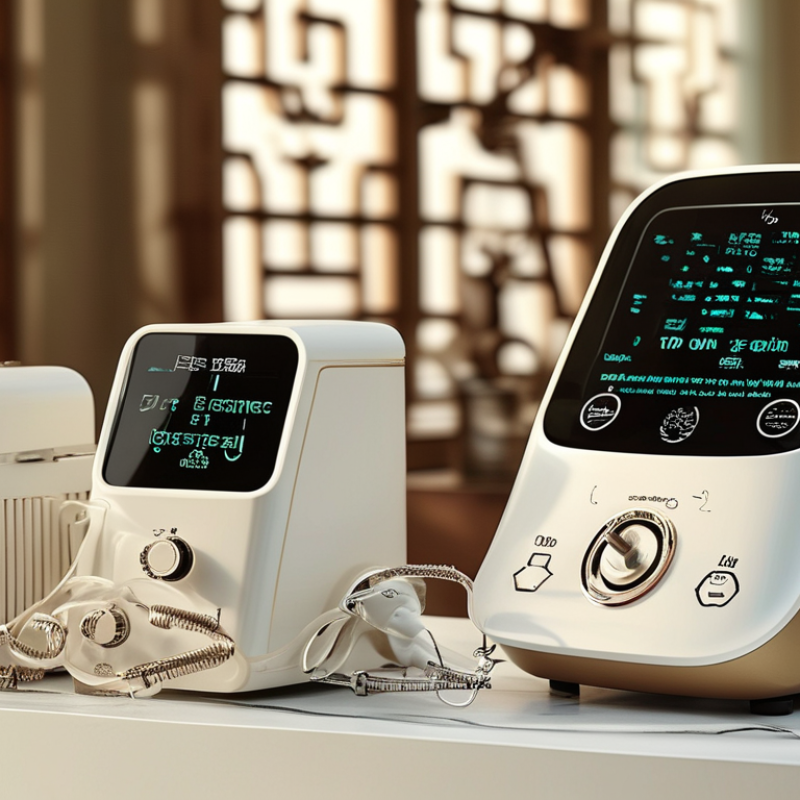
What Are the Top 10 Facial Machines Made in China?
What Are the Top 10 Facial Machines Made in China?
China-made facial machines now cover many professional skincare needs. The top ten categories include ultrasonic skin scrubbers, hydrodermabrasion systems, oxygen infusion devices, radio-frequency machines, LED light therapy units, microcurrent tools, galvanic systems, cryotherapy equipment, high-frequency machines, and facial vacuum devices. Each technology offers a different working principle. Performance depends on stable energy output, suitable accessories, cooling control, and accurate treatment settings. A beautiful control panel means little without reliable internal components.
In practical salon use, I would inspect test records, electrode quality, probe temperature, battery life, and cleaning procedures. Ask for measured output data, not only catalog claims. Operators should also check skin sensitivity, treatment history, and contraindications before use. Some devices perform well on dry skin, while others suit oily or congested areas. Results can vary widely. That part is often underestimated. Professional training and clear user instructions matter as much as hardware quality.
Tips: Compare at least three technical specifications before buying. Request a sample unit when possible. Test noise, heat, hand comfort, and treatment consistency during a real session. Keep maintenance records. Do not select equipment only because it offers more functions; extra modes may increase training demands and create confusion. Independent safety checks are worthwhile, even when the supplier appears experienced.
How Do Different Facial Machine Technologies Work?
Facial machines work through different forms of energy, not one universal mechanism. Radiofrequency devices heat the dermis, encouraging collagen remodeling. Their results depend on temperature control, electrode contact, and treatment time. LED devices use specific wavelengths. Red light, commonly near 630–660 nanometers, may support cellular activity and reduce visible inflammation. Blue light targets acne-related bacteria, but it is not suitable for every skin condition.
Microcurrent devices deliver very low electrical currents. They may temporarily improve facial muscle tone and circulation, although long-term lifting evidence remains limited. Ultrasound tools create mechanical vibrations or controlled thermal effects. Their performance changes with frequency, coupling gel, skin thickness, and operator technique. Grand View Research’s 2024 aesthetic medicine report identifies energy-based devices as a fast-growing segment, projecting roughly 10% compound annual growth in many categories. Market estimates vary, so impressive sales figures should not replace clinical evidence.
Tips: Match technology to the concern. Use measured energy, clean contact surfaces, and documented treatment settings. I would not promise a permanent lift from a home device. That claim is too strong. Check wavelength, output intensity, treatment records, and contraindications. A machine can look sophisticated, yet poor contact can waste energy. Professional assessment matters, especially for sensitive skin, pigmentation, or implanted medical devices.
Which Features Determine Facial Machine Performance?
China Top 10 Facial Machines: What Affects Performance?
Which Features Determine Facial Machine Performance?
Facial machine performance depends on controlled energy, suitable treatment modes, and consistent contact with the skin. A strong device should deliver stable output, not only impressive power on paper. Adjustable intensity helps professionals match treatment to skin sensitivity, facial areas, and client comfort. Small details matter. A clear display, balanced handpiece, and responsive controls reduce operating mistakes during busy appointments.
Cooling technology also affects comfort and treatment consistency. If a probe becomes too warm, users may shorten treatment time or apply uneven pressure. Reliable temperature control helps maintain a steady process around the cheeks, forehead, and jawline. Skin sensors can add protection by identifying poor contact or excessive heat. However, sensors are not perfect. Staff still need training, visual checks, and careful communication with clients.
Durability is another performance factor. A machine with loose connectors, weak cables, or difficult cleaning procedures may lose reliability quickly. Professional evaluation should include output testing, maintenance records, warranty terms, and available technical support. Treatment results should be assessed through documented client feedback, not dramatic promises. A high power reading can mislead. The best facial machine is not always the strongest one; it should provide repeatable performance, safe operation, and practical control for different treatment needs. Some evaluations overlook operator skill, which can change results more than expected.
How Do Skin Type and Treatment Goals Affect Machine Selection?
When comparing China’s top 10 facial machines, performance depends on skin type and treatment goals, not ranking alone. A device that suits oily skin may feel too aggressive on dry, reactive skin. Selection should begin with a careful skin assessment.
For oily or congested skin, adjustable cleansing, ultrasonic spatulas, or gentle exfoliation may support a smoother appearance. Sensitive skin needs lower intensity, shorter sessions, and strong temperature control. Dry skin often benefits from hydration-focused functions, such as infusion or low-level warmth. Watch the skin closely. Redness is useful feedback, not a target.
Treatment goals also change the choice. A client seeking temporary radiance may need a mild protocol, while uneven texture may require controlled exfoliation over several sessions. Devices with adjustable energy, timing, and contact settings offer better professional control. Always check technical specifications, user training requirements, maintenance procedures, and independent safety documentation.
Small details matter. A cool handpiece can feel more comfortable during treatment. Clear displays reduce operating errors. Yet specifications do not replace judgment. I have seen attractive settings perform poorly when the operator ignored product compatibility or applied excessive pressure. That is an easy mistake to repeat. Patch testing, client history, and gradual adjustment remain practical safeguards, especially for first-time users.
How Can Facial Machine Quality, Safety, and Maintenance Be Evaluated?
Evaluating a facial machine starts with measurable output, not a polished display. Grand View Research estimated the global aesthetic medicine market at over US$18 billion in 2023. Rapid growth increases the need for disciplined quality checks. Test energy, pulse duration, temperature, and output stability under repeated use. A machine should perform consistently after ten cycles, not only during a showroom demonstration. I would also inspect electrical insulation, grounding, emergency shutdown, and skin-contact sensors. Small faults can become serious during busy treatments.
Safety requires documented risk control. The World Health Organization reports that one in ten patients experiences harm in healthcare settings, with more than half considered preventable. Facial equipment may appear less risky, but heat, light, current, and suction still require control. Check conformity with IEC 60601 principles and ISO 14971 risk-management practices. Keep calibration certificates, operator training records, and incident logs. ECRI’s 2024 health technology hazards report also highlights failures in cleaning and device reprocessing. That warning deserves attention.
Maintenance is where many evaluations become weak. Wipe compatible surfaces after every treatment, inspect cables weekly, and schedule professional calibration according to usage. Replace worn seals, filters, and cooling parts before performance drops. Record each service date. A clean handpiece does not prove internal reliability. Nor does a long warranty prove safe engineering. A practical trial should include different operators, skin-contact conditions, and a full treatment day. Some results will be imperfect. That is useful. Unexpected heat, noise, or unstable output should trigger a review, not a sales explanation.
China Top 10 Facial Machines: What Affects Performance?
This evidence-based evaluation model assigns greater weight to safety documentation, consistent energy delivery, temperature control, and calibration. Quality should be verified through measurable test records, electrical safety compliance, stable operating output, accessible cleaning procedures, and a documented maintenance schedule. The percentages represent assessment priorities, not brand ratings.
FAQS
: Common categories include ultrasonic scrubbers, hydrodermabrasion systems, oxygen infusion devices, and radio-frequency machines.
Check energy output, pulse duration, temperature, and stability during repeated cycles.
Inspect electrical insulation, grounding, emergency shutdown, and skin-contact sensors.
Compare at least three technical specifications before making a decision.
No. Different technologies may suit dry, oily, sensitive, or congested skin differently.
They are as important as the hardware itself.
Wipe compatible surfaces after every treatment and inspect cables weekly.
Test the machine with different operators and skin-contact conditions.
Conclusion
This article presents ten leading facial machine types made in China, covering popular technologies such as ultrasonic cleansing, radio frequency, microcurrent, LED light therapy, oxygen infusion, hydrodermabrasion, high-frequency care, cold hammer soothing, vacuum cleansing, and multifunction platforms. It explains how each technology works and compares their typical uses, treatment intensity, and expected results. Rather than focusing only on appearance or price, the article asks: what factors affect facial machine performance? Key considerations include energy stability, operating precision, treatment modes, applicator quality, user controls, and compatibility between the device and selected skincare procedures.
The guide also explains how skin type and treatment goals influence machine selection, since sensitive, dry, oily, mature, or acne-prone skin may require different settings and techniques. Finally, it outlines practical ways to assess quality and safety, including material durability, electrical protection, temperature control, hygiene design, instructions, and after-sales support. Regular cleaning, inspection, correct storage, and professional operation are also essential for maintaining reliable performance and protecting the skin.

 Biology Skincare